




How to Revive Your Japanese Maples After Drying Out
Japanese maples are beloved for their delicate leaves and stunning colors, but they can face challenges, especially during the hot summer months. If you've noticed your Japanese maple drying out too quickly, you're not alone. Many gardeners face this issue, especially during heat spikes or dry spells. In this article, we will explore the reasons behind this problem, how to take care of your affected trees, and preventative measures to ensure robust growth in the future.
Why Do Japanese Maples Dry Out?
Understanding the causes of dryness in Japanese maples is essential for their care. Here are the primary reasons these trees suffer during summer months:
1. Weather Conditions
- Heat Spikes: Sudden increases in temperature can stress trees that are already vulnerable. If the temperatures soar quickly, the risk of leaf burn and wilting increases.
- Seasonal Variation: Japanese maples require significantly more water in summer than in spring or fall. If not monitored closely, these plants can dry out rapidly.
2. Plant Size and Container Conditions
- Root Space: If a Japanese maple has outgrown its container, it will struggle more than those with ample room for roots to absorb moisture. A plant filling its pot will dehydrate faster, leading to visible stress in its leaves.
- Container Size: Container gardens require more frequent watering. A plant in a too-small pot can show signs of dehydration more quickly than those in larger containers.
3. Neglected Watering Schedules
- Absence of Care: While away on vacation, plants may not receive the required water. Container plants depend on regular watering and can dry out severely if left unchecked.
4. Issues with Water Management
- Overwatering: It's essential to strike a balance. A stressed tree will use less water, and overwatering can lead to root rot, damaging the tree more.
What Not to Do When Your Japanese Maple Dries Out
To ensure your Japanese maple has the best chance of recovery, avoid the following mistakes:
1. Removing Damaged Leaves
- Damaged leaves can actually protect the buds beneath them. When leaves are removed, it can cause unnecessary harm to the buds that will eventually produce new growth.
2. Overwatering
- If your maple has shed leaves due to drought stress, avoid watering it immediately. Allow the soil to dry out before giving it more water. Overwatering can cause root rot, which is detrimental to the tree's health.
Steps to Revive Your Dry Japanese Maples
If your Japanese maple has dried out significantly, follow these steps to help restore its health:
1. Assess the Damage
- Check if the plant has dropped all its leaves or if they show signs of wilting. Evaluate the soil moisture level before making your next move.
2. Hydrate with Care
- Watering Schedule: Once the soil has dried out, water your plant thoroughly. Be mindful of the soil quality and ensure proper drainage.
- Container Care: If you notice that water is draining too quickly, it might be time to transplant your maple into a larger pot to provide it with more soil and moisture retention.
3. Fertilization
- Liquid Fertilizers: Use a liquid fertilizer to give your stressed tree the nutrients it needs. Unlike granular fertilizers, liquid options provide a quick boost that can aid in recovery. Apply every two weeks to encourage new growth.
- Watch for Signs of Recovery: As your plant starts pushing out new leaves, you can scale back on fertilizer. The objective is to allow the tree to recover without forcing growth too late into the season.
4. Monitor and Adjust Care
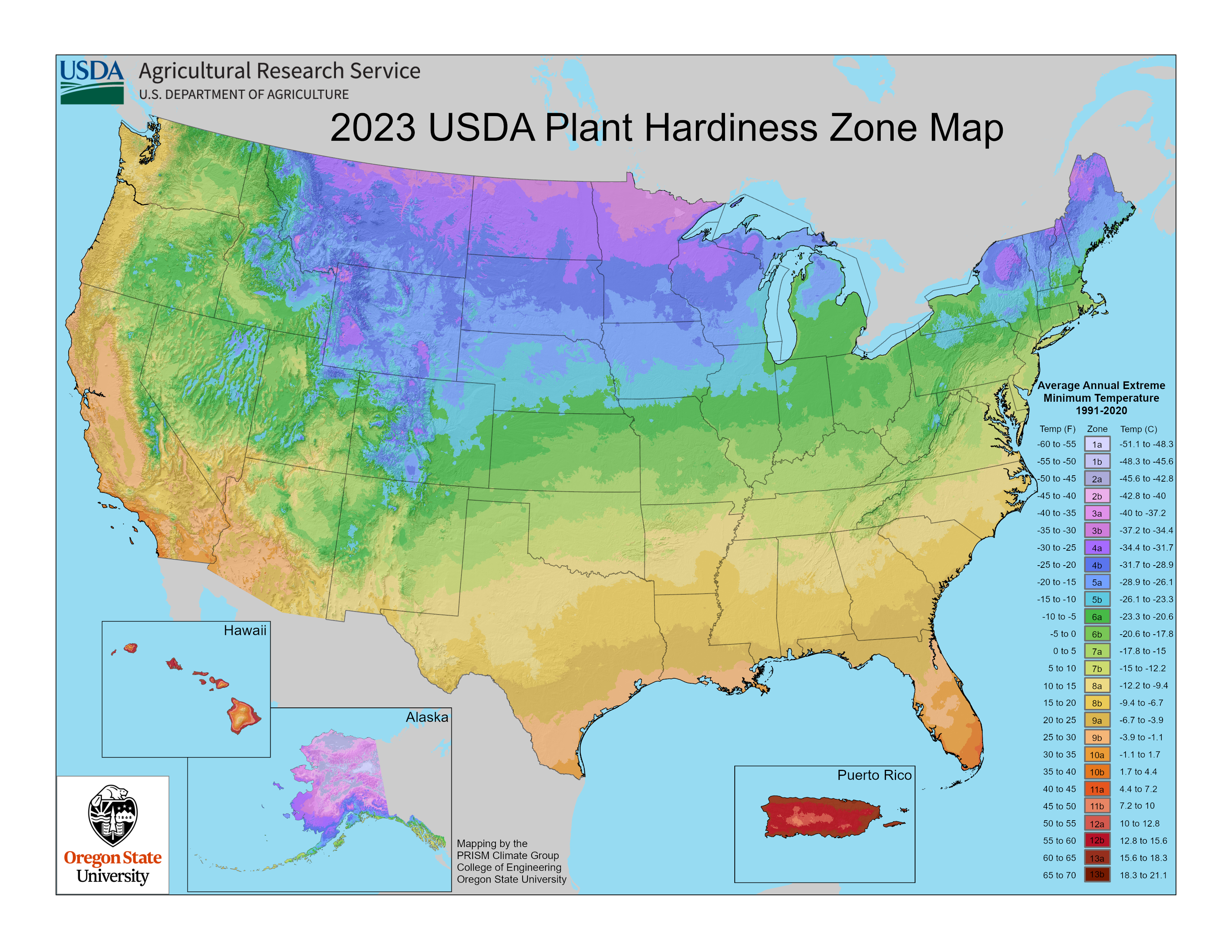
- Seasonal Factors: The timing for care can depend on your geographical location. For instance, warmer areas can maintain a longer growing season, while colder regions may see a quicker onset of frost. Understanding the climate impact on your maple is crucial.
Preventative Measures for the Future
Successful growth of your Japanese maple hinges on proper care. Here are a few preventative tips to help keep your tree healthy:
1. Regularly Monitor Soil Moisture
- Develop a routine to check whether the soil is adequately moist. Using your finger or a moisture meter can help gauge when to water appropriately.
2. Optimize Container Size
- Plan to repot your Japanese maple as it grows, ensuring it always has adequate space for its roots.
3. Provide Shade and Protection
- If possible, plant your trees where they benefit from some shade during extreme heat hours. Protecting the foliage helps maintain hydration.
4. Prepare for Vacations
- Always inform a neighbor or friend when going away to ensure your plants receive the necessary care. Alternatively, consider self-watering systems for containers during extended absences.
Conclusion
Japanese maples can suffer from drying out if not cared for properly, particularly during the hot summer months. By understanding the underlying causes, avoiding common mistakes, and applying the right care strategies, you can rehabilitate a stressed Japanese maple and promote its long-term health. Remember to monitor growth, adjust watering schedules, and apply nutrients selectively for the best results.
If you’ve recently faced challenges with your Japanese maples, it’s time to take action. Check your watering techniques, look for signs of recovery, and make the necessary adjustments to enrich your garden's beauty with these incredible trees. Happy gardening!


Comments
Leave a comment