




The Allure of Japanese Maples: Why They're a Gardener's Favorite
Japanese maples, known scientifically as Acer palmatum, are celebrated for their breathtaking foliage and graceful shapes, making them a top choice for gardeners around the world. These enchanting trees offer a spectrum of colors and forms throughout the year, adding a unique charm to landscapes in every season. But what is it about Japanese maples that draws such admiration? Let’s explore the many reasons why they hold a special place in the hearts of gardening enthusiasts.
Ever-Changing Beauty through the Seasons
One of the most appealing aspects of Japanese maples is their spectacular seasonal transformation. From the vibrant reds and purples of spring to the fiery oranges, reds, and yellows of fall, these trees provide a visual feast that evolves throughout the year.
Spring: A Burst of Color
In the spring, Japanese maples come to life, showcasing their bright spring foliage. Varieties such as Shin deshojo are particularly striking, displaying hues so vivid that they can be mistaken for fall color. This spring display is often characterized by:
- Bright reds: Many Japanese maples leaf out with stunning red foliage.
- Variegated leaves: Variants come with mixed colors, offering a unique multicolored effect.
- Intricate leaf forms: The structure of the leaves can vary greatly, providing gardeners with countless options.
Summer: Tools for Refreshing Shadows
As the summer heat sets in, certain varieties, such as Summer Gold, maintain interest with their lush, green leaves that reflect sunlight beautifully. Their layered canopies also provide much-needed shade in the garden, making them perfect for cool retreats.
Fall: A Display of Extravagance
When autumn arrives, Japanese maples truly shine with their exquisite fall foliage. Shades of orange, red, and yellow blend harmoniously, creating a warm, inviting atmosphere in gardens. Varieties known for intense fall color, like Bloodgood, can transform the landscape into a vivacious tapestry of color, making them a standout feature in any yard.
Exceptional Variety and Forms
Japanese maples come in a dizzying array of varieties, each with unique characteristics and growing habits. This diversity not only allows gardeners to choose trees that fit their specific aesthetic and spatial needs but also encourages collectors to expand their gardens to include multiple types. Common forms include:
- Upright trees: Such as the classic Bloodgood, known for its beautiful burgundy foliage in spring and fall.
- Lace leaf varieties: Tamukeyama and others are adored for their cascading appearance and intricate leaf structures.
- Dwarf types: Perfect for smaller gardens, these varieties can fit in tight spaces without compromising on beauty.
Easy to Grow and Adaptable
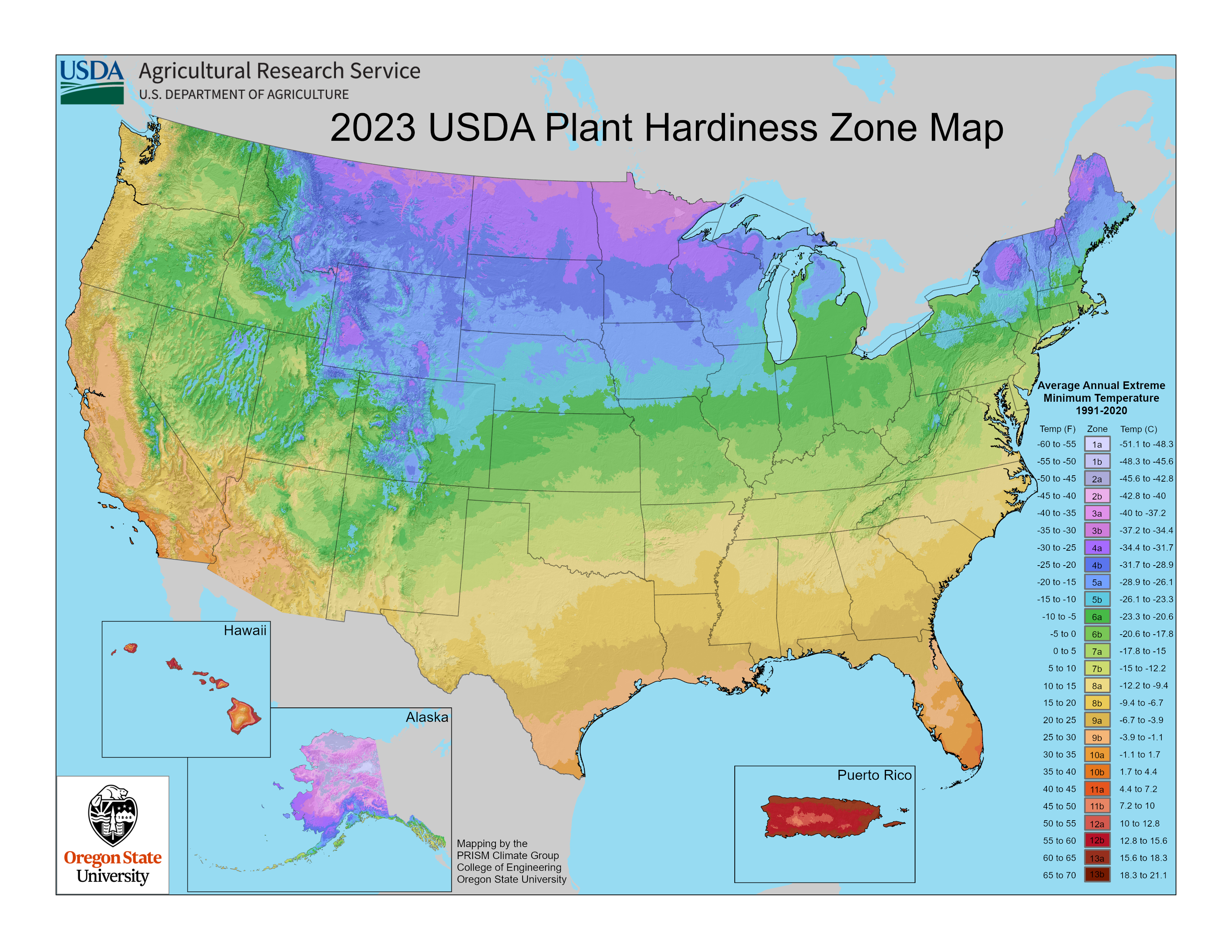
Japanese maples are not just visually appealing; they’re also practical for gardeners. Thriving in USDA zones 5 through 9, these trees are relatively easy to cultivate. Key care requirements include:
- Good drainage: Ensuring that the soil does not retain too much water is crucial for their health.
- Sunlight vs. Shade: While many varieties thrive in full sun, others prefer partial shade. This adaptability allows for versatility in any garden design, making them suitable for both sunny and shaded areas.
An Addictively Beautiful Hobby
Once gardeners experience the thrill of nurturing a Japanese maple, it often leads to a passionate pursuit of collecting different varieties. Many describe this phenomenon as being like potato chips—you can’t just have one! This collecting aspect not only enhances the garden’s beauty but also fosters a sense of community among Japanese maple enthusiasts.
Cultural Significance and Aesthetic Value
Japanese maples carry rich cultural significance in Japan, symbolizing grace and beauty. Their elegant forms and delicate leaves have been celebrated in Japanese art and gardens for centuries, further enhancing their allure in modern landscapes. As they are incorporated into various designs—from Zen gardens to traditional settings—they continue to inspire both gardeners and artists alike.
Conclusion
The beauty, diversity, and seasonal interest of Japanese maples make them a beloved choice for gardeners everywhere. With their captivating colors and forms, they serve as a testament to nature's artistry, offering constant inspiration and joy. Whether you’re a seasoned horticulturist or a casual plant lover, introducing a Japanese maple or two into your garden can elevate your landscape and create a lasting legacy of beauty.
If you're passionate about Japanese maples or have your own experiences to share, I invite you to leave a comment below! Each interaction helps enrich our community of maple enthusiasts. Plus, don't forget to check out Mr. Maple for a variety of Japanese maples and gardening inspiration from dedicated collectors and experts. Happy gardening!


Leave a comment