




Acer palmatum 'Phantom Flame' Japanese Maple
- 10 Gallon $300.00
Acer palmatum 'Phantom Flame' Japanese Maple


- 10 Gallon $300.00
Acer palmatum 'Phantom Flame' Japanese Maple
Local Pickup OnlyThis plant is currently sold out
Acer palmatum 'Phantom Flame'
Rare Phantom Flame Japanese Maple
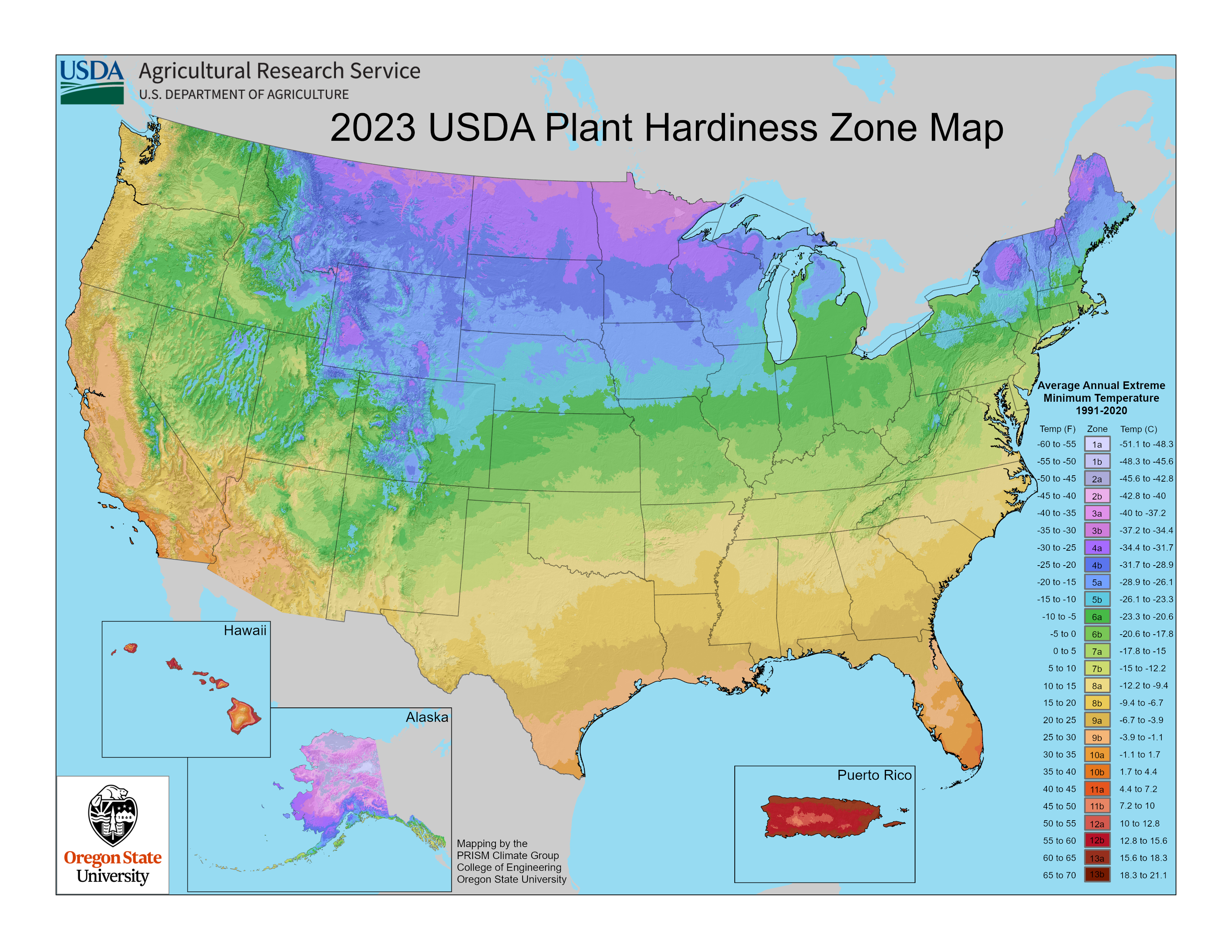
Zones 5-9
‘Phantom Flame' has a heavy reticulation and the thick purple border that makes this variegated Japanese maple special and quite unique. Being in our hot cold frames, the border and the reticulation are nearly as special as they will normally be. Fall color is typically oranges to red. We expect 'Phantom Flame' to reach 8-10 ft in 15 years.
These 10 gallon trees are for local pickup only, we cannot ship them because they are too big. The MrMaple Nursery is located in East Flat Rock, NC. Please contact us to arrange a pickup time.
Limited Quantities Available !! As we have over a thousand cultivars of Japanese maples, we often do not have many of each cultivar. We recommend that you buy the Japanese maples you want immediately as we often sell out of certain selections.
Japanese Maple Care Guide
Japanese Maple care fundamentals for thriving foliage and color.
Zone optimized care Choose your USDA zone General Japanese maple guidance. Set your USDA zone to tune watering, sun, soil, and winter notes to your climate.
The Japanese Maple is a highly valued ornamental tree known for delicate foliage and striking seasonal color. With proper placement and consistent care, these trees can flourish for decades and add a graceful focal point to your landscape.
General Japanese maple guidance
Most Japanese maples perform best in USDA Zones 5-8. Some cultivars are listed into Zone 9, but hot-summer success depends on cultivar, shade, soil moisture, humidity, and reflected heat.
Colder than this product's listed range
In-ground planting is risky unless the specific cultivar is rated for your winter lows. Use a container that can be moved into an unheated protected space, or select a hardier maple listed for your zone.
Cold-edge care: Zone 5
Choose a sheltered site out of winter wind, keep the root zone mulched, and protect leafed-out trees during late spring frosts. Spring planting is usually safer than late fall planting in exposed sites.
Core-range care: Zones 6-7
This is the easiest range for most Japanese maples. Give morning sun with light afternoon shade, steady moisture during establishment, and a loose mulch layer to buffer summer heat and winter swings.
Warm-edge care: Zone 8
Heat and afternoon sun become the main limits. Plant where the tree gets morning sun, shade after early afternoon, good airflow, and deep watering during dry heat.
Heat-edge care: Zone 9
Zone 9 success is cultivar and microclimate dependent. Use bright filtered light or morning sun only, avoid pavement and wall-reflected heat, mulch deeply, and keep irrigation consistent without leaving roots soggy.
Warmer than this product's listed range
This cultivar is not listed for your zone. Choose a heat-rated Japanese maple, grow in a container that can be moved out of heat, or place it in bright shade with extra attention to irrigation and root-zone cooling.
Care essentials
Watering
Keep soil evenly moist during the growing season, from spring to early fall. Deeply water once or twice a week; increase frequency in hot, dry spells to prevent leaf scorch.
Set your zone to show the watering rhythm for your climate.
Containers in cold zones still need slightly moist roots; do not store them bone dry through winter.
In Zone 5, water well before winter if fall is dry, then avoid saturated soil during freeze-thaw cycles.
In Zones 6-7, deep water weekly during establishment when rainfall is lacking; established trees usually need help only in dry spells.
In Zone 8, check soil often in summer heat. Mulch and slow deep watering prevent scorch better than frequent shallow watering.
In Zone 9, containers and newly planted trees may need checks every 1 to 2 hot days. Keep moisture even, not soggy.
Heat stress can exceed what watering can fix if the cultivar is not rated for your zone.
- Water, then allow soil to dry slightly before watering again. Use the finger test to check moisture.
- Nursery potting mixes dry faster; containers may need more frequent checks.
- Avoid persistent soggy conditions; Japanese maples dislike "wet feet."
Soil
Plant in well-draining, slightly acidic soil (pH 5.5-6.5). Amend heavy clay with compost and coarse material for drainage. Raised beds or slopes are useful where drainage is poor.
Across zones, avoid wet feet. Japanese maples decline quickly in saturated soil.
Cold sites need sharp drainage so winter water does not freeze around roots.
In Zones 6-7, a native-soil planting hole with compost blended into the backfill is usually enough when drainage is good.
In warm zones, organic mulch and soil structure help keep roots cool while still allowing oxygen into the root zone.
- Dig a planting hole about 1.5 times the container width to loosen surrounding soil.
- Set the root collar level with the surrounding grade; do not plant too deep.
- Avoid over-amending; maples establish well in native sandy or clay soils when drainage is adequate.
Sunlight
Provide morning sun with afternoon shade in warmer regions. In cooler climates, trees tolerate more sun, but prolonged direct exposure can scorch foliage. Shelter from strong winds.
Set your zone for the safest exposure recommendation.
Cold-edge sites can use more sun, but shelter the tree from winter wind and late frost pockets.
In Zones 6-7, morning sun with afternoon shade is the dependable placement for most cultivars.
In Zone 8, avoid hot afternoon sun, south-facing walls, and paved heat traps.
In Zone 9 or warmer, use bright filtered light or early morning sun only unless the exact cultivar is proven in your microclimate.
- Most cultivars thrive with morning sun and afternoon shade; Zone 8 full sun is feasible for many upright types.
- In Zone 9, protect from hot afternoon sun to reduce leaf scorch.
- Container trees on patios and driveways may need extra shade due to reflected heat.
Fertilization
Feed in early spring with a slow-release, balanced formula (or organic alternative). Avoid heavy fertilization that can force soft growth and distort the tree's natural habit.
Use a slow-release, balanced or low-nitrogen fertilizer in early spring, then stop by early summer.
In cold-edge zones, never push late growth. Stop feeding by early summer so stems can harden before winter.
In Zones 6-7, established maples in good soil often need little or no fertilizer.
In warm zones, avoid fertilizing during summer heat. Water and shade do more for stress than fertilizer.
- Use low-nitrogen products with N at 15 or lower only in early spring if needed; stop by June 1.
- Fish emulsion is not recommended for Japanese maples.
- Healthy, established trees often require no fertilizer when soil is suitable.
Pruning and maintenance
Prune lightly during dormancy (late winter) to remove dead or crossing branches and maintain the elegant form. Monitor for aphids or spider mites and treat with insecticidal soap if needed.
Do structural pruning during dormancy and keep summer work limited to small corrections.
In cold-edge zones, avoid heavy pruning just before severe cold. Remove winter dieback after you can see live buds.
In warmer zones, keep pruning light and avoid opening the canopy so much that inner branches are exposed to sunburn.
- Never remove more than about 45% in a session; prioritize larger structural branches over twiggy growth.
- Keep one central leader on upright forms; shape dwarfs and laceleafs to accentuate natural habit.
- Sanitize pruning tools with rubbing alcohol to reduce disease spread.
Winter and frost protection
In cold regions, wrap young trees with burlap or mulch heavily around the root zone to buffer freeze-thaw cycles.
Zone-specific frost guidance appears after your USDA zone is set.
Move containers to an unheated garage or cold frame after dormancy, or select a plant rated for your zone.
In Zone 5, protect young trees from drying winter wind and cover tender spring growth with breathable cloth during late frosts.
In Zones 6-7, late spring frosts are usually the bigger risk than deep winter cold once trees are established.
In warm zones, winter protection is less important than avoiding early leaf-out damage from warm spells followed by cold snaps.
- Cover young plants during late frosts or spring cold snaps with cloth, not plastic.
- After frost damage, apply a liquid fertilizer like Miracle-Gro every 2 to 3 weeks until new buds form.
- As trees mature, frost impact lessens, but early protection still prevents leaf damage.
Specific tips
Container growing
Use well-draining potting mix in a container with drainage holes. Containers dry faster; check moisture frequently.
- Ensure at least one drain hole; consider adding 1 to 2 inches of gravel for single-hole pots.
- For automated irrigation, soils with more perlite drain quickly; otherwise add peat moss to retain moisture.
- Repot or root-prune every few years: small pots about 3 years; large pots about 7 to 8 years.
Variety selection
Choose cultivars suited to your climate. 'Sango Kaku' shows coral bark interest; 'Bloodgood' is a classic, hardy option.
- Match exposure to cultivar: most prefer morning sun/afternoon shade; many uprights tolerate full sun in Zone 8, but protect in Zone 9.
- Dwarf forms are ideal for containers; uprights make strong landscape focal points.
- Consider winter interest (coral bark types) and overall hardiness for your USDA zone.
Common issues and troubleshooting
Leaf scorch
Edges browning? Increase watering during heat and provide afternoon shade.
- Newly planted and container trees dry faster; check moisture often in summer.
- Provide temporary shade during extreme heat or wind to reduce scorch.
- Mulch to retain moisture, keeping mulch off the trunk.
Root rot
Poor drainage causes decline. Improve soil structure, raise the bed, or reduce watering.
- Japanese maples dislike "wet feet"; avoid boggy areas.
- Plant level with grade and ensure drainage; raised beds or slopes help.
- Let soil dry slightly between waterings using the finger test.
Pests and diseases
Use the matching video guide for the problem you are seeing.
Don't know what's wrong?
If the symptoms do not clearly match scorch, drainage stress, aphids, mites, or mildew, start with this general diagnosis guide.


