




- 1 Gallon Small $25.00
Rhododendron x bakeri ‘Baker Dean' Dark Pink Azalea

- 1 Gallon Small $25.00
Rhododendron x bakeri ‘Baker Dean' Dark Pink Azalea
Rhododendron x bakeri
‘Baker Dean'
Azalea
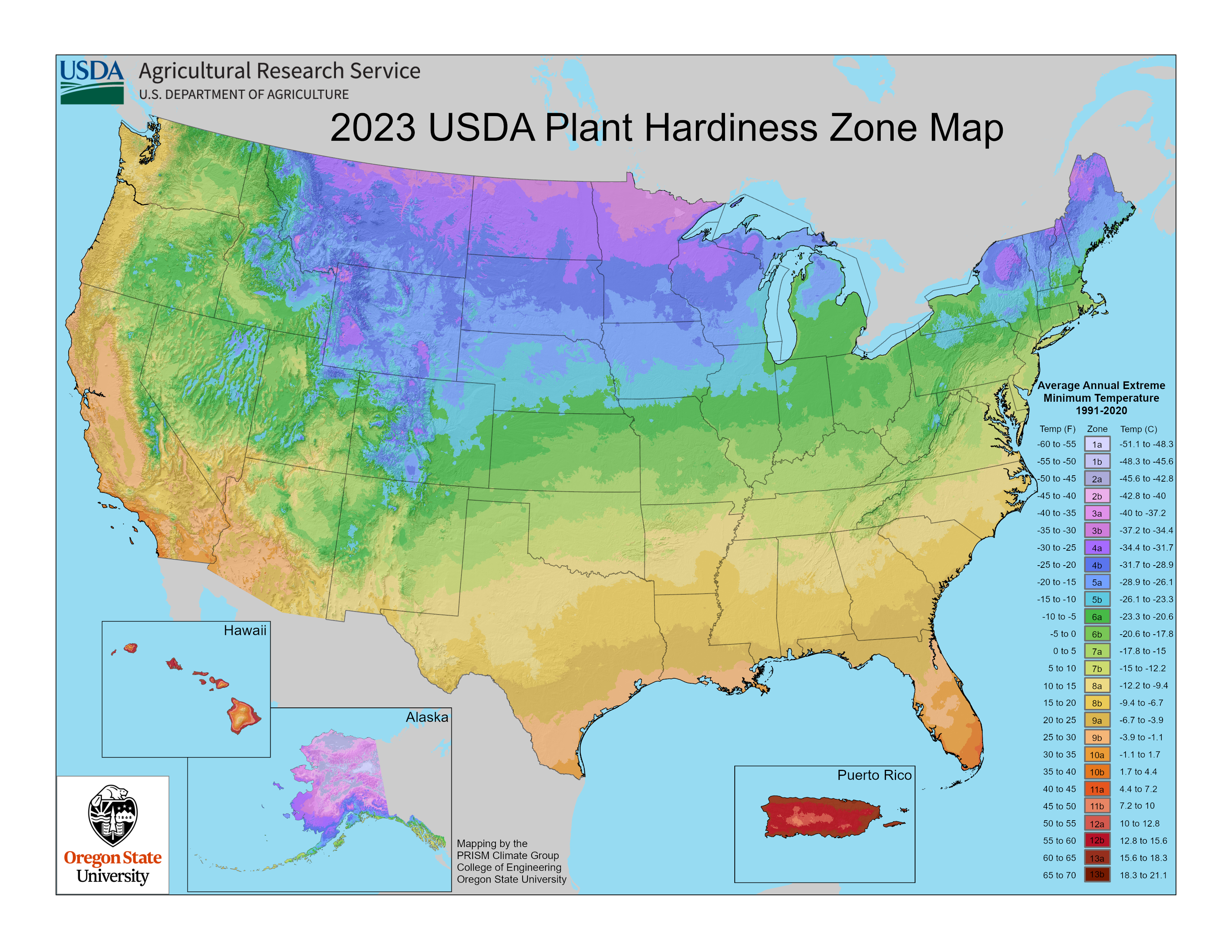
Zones 6-10
Baker’s Azalea is a compact, native shrub in the Ericaceae (blueberry) family, valued for its dark-pink blooms and ornamental foliage. A natural hybrid of Rhododendron canescens and R. flammeum, this broadleaf evergreen or semi-deciduous shrub typically reaches 3–5 ft tall and 4–6 ft wide in 10 years, forming a dense, rounded habit. Native to the eastern United States, it thrives in moist, well-drained, acidic, humus-rich soils, tolerates occasional wetness, and performs best in partial shade to avoid harsh summer sun. Minimal pruning is needed and is best done after flowering, and the plant may slowly spread by stolons.
Ideal for woodland gardens, naturalized groupings, or as a specimen in pollinator-friendly landscapes, Baker’s Azalea attracts hummingbirds and bees, providing both seasonal color and wildlife value.
Limited Quantities Available !! As we have over a thousand cultivars of Japanese maples, we often do not have many of each cultivar. We recommend that you buy the Japanese maples you want immediately as we often sell out of certain selections.
Azalea & Rhododendron Care Guide
Care fundamentals for Azaleas and Rhododendrons to encourage healthy growth and blooms.
Azaleas are stunning flowering shrubs within the Rhododendron family, prized for vibrant blooms and lush foliage. With the right site, soil, and steady care, they flourish and bloom beautifully year after year.
Care essentials
Watering
Maintain consistent moisture without waterlogging. Water deeply once or twice a week, increasing during hot or dry periods so the root zone stays evenly moist.
- Use the finger test: if the top inch is dry, water thoroughly at the base.
- Containers dry faster and may need more frequent checks or a timer-based system.
- Avoid standing water; improve drainage if soil remains saturated.
Watch video
Soil
Plant in well‑draining, acidic soil with a pH around 4.5–6.0. Amend heavy clay with organic matter like compost or pine bark to improve drainage and acidity.
- Dig a hole as deep as the root ball and about twice as wide.
- Set top roots level with surrounding grade to avoid rot; do not plant too deep.
- Mulch to keep shallow roots cool and moist; avoid disturbing soil at the base.
Watch video
Sunlight
Provide partial shade, ideally morning sun with afternoon shade. In cooler climates, plants tolerate more direct light; in hot climates, protect flowers and foliage from harsh afternoon sun.
- Avoid deep shade and full, intense sun; filtered or dappled light is ideal.
- In consistently hot areas, select sheltered sites and provide afternoon shade.
- Container plants may need extra shade due to reflected heat from hardscapes.
Watch video
Fertilization
Fertilize in late winter or early spring just before new growth. Use a slow‑release fertilizer formulated for acid‑loving plants and avoid over‑fertilizing.
- Follow package rates; excessive nitrogen can reduce blooms and stress plants.
- Slow‑release options provide steady nourishment across the season.
- Established plants in suitable soil may need little to no fertilizer.
Watch video
Pruning and maintenance
Prune immediately after blooming to maintain shape and encourage new growth. Remove dead or damaged branches any time. Monitor for lace bugs or spider mites and treat promptly.
- Avoid heavy pruning that could reduce next season’s blooms.
- Make cuts just above healthy buds and sanitize tools between plants.
- Improve airflow by thinning congested growth after flowering.
Watch video
Specific tips
Winter protection
In colder regions, protect plants from frost and drying winds using burlap screens and a fresh layer of mulch to buffer freeze–thaw cycles.
- Cover during late frosts or spring cold snaps with breathable cloth, not plastic.
- Maintain 2–3 inches of mulch, leaving a gap around the base to prevent rot.
- Use anti‑desiccant sprays where appropriate to reduce winter burn.
Watch video
Container growing
Use an acidic, well‑draining potting mix in containers with drainage holes. Containers dry faster—check moisture frequently and protect from harsh afternoon sun.
- Ensure at least one drain hole; use saucers carefully to avoid standing water.
- Install a simple timer‑based drip system to maintain consistent moisture.
- Refresh mix and repot as needed to prevent root binding and media breakdown.
Watch video
Companion planting
Pair azaleas with shade‑loving companions to enhance appearance and support shared cultural needs.
- Ferns and hostas complement azaleas and thrive in similar light and soil.
- Use annuals like Impatiens beneath shrubs; wilting can indicate the bed needs water.
- Select bloom times to stagger color across spring, summer, and fall.
Common issues and troubleshooting
Leaf scorch
Edges browning or curling? Increase watering during heat and provide afternoon shade.
- Newly planted and container shrubs dry faster—check moisture often in summer.
- Provide temporary shade during extreme heat or wind to reduce scorch.
- Mulch to retain moisture, keeping mulch off stems.
Root rot
Poor drainage leads to decline. Improve soil structure, raise beds, and avoid overwatering.
- Azaleas dislike constantly soggy soil; avoid low, boggy areas.
- Plant level with grade and ensure drainage—raised beds or slopes help.
- Let soil dry slightly between waterings using the finger‑test.
Pests & diseases
Inspect regularly for lace bugs, spider mites, and aphids. Treat with insecticidal soap or horticultural oils as needed and improve airflow.
- Check leaf undersides during warm spells; look for stippling or honeydew.
- Maintain airflow and avoid heavy nitrogen that encourages soft, pest‑prone growth.
- Sanitize tools when removing affected growth to limit spread.
Watch video


