




- 7 Gallon $250.00
Cornus kousa 'Summer Fun' White Variegated Chinese Dogwood


- 7 Gallon $250.00
Cornus kousa 'Summer Fun' White Variegated Chinese Dogwood
Local Pickup OnlyCornus kousa 'Summer Fun'
White Variegated Foliage - White Flowering Chinese Dogwood
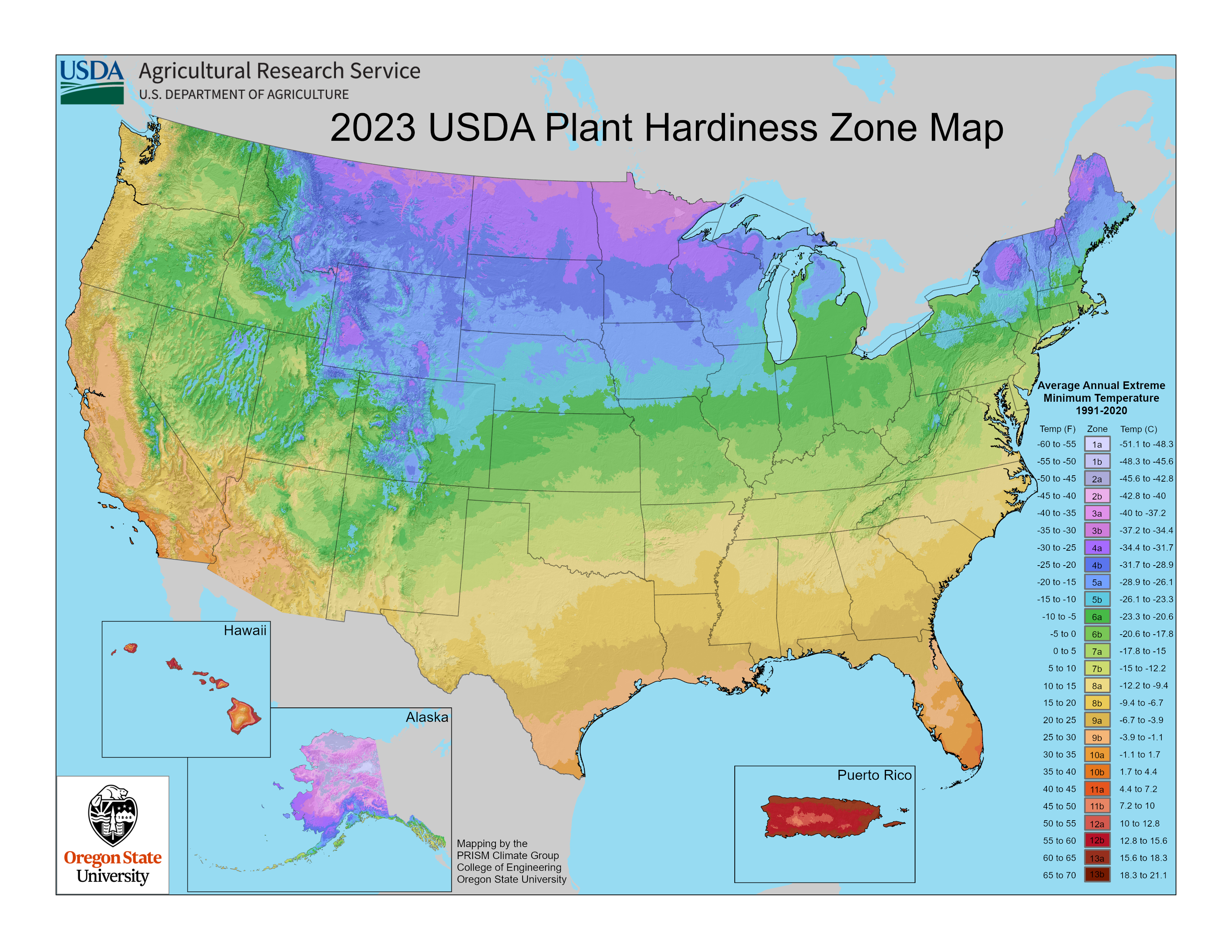
Zones 6-8
Partial Sun to Full Sun
Cornus kousa 'Summer Fun' is a fun variegated Chinese dogwood that was introduced by our good friend, Talon Buchholz. The creamy white variegation on the blue-green interior provides a great contrast. Blooms on 'Summer Fun' are white, but with this amazing variegation, you get to enjoy the foliage all summer long. Fall color is special on this variegated dogwood, giving fiery pink variegation on a dark red interior. 'Summer Fun' has a nice upright habit reaching 8-10 ft in height in 10 years.
The photos on this page without a MrMaple logo were taken by Talon Buchholz and cannot be used without expressed written consent from the owner.
Limited Quantities Available !! As we have over a thousand cultivars of woody ornamentals, we often do not have many of each cultivar. We recommend that you buy the woody ornamentals you want immediately as we often sell out of certain selections.
Dogwood Care Guide
Dogwood care fundamentals for spring flowers, clean foliage, and healthy woodland-edge growth.
Zone optimized care Choose your USDA zone General dogwood guidance. Set your USDA zone to tune watering, sun, soil, pruning, and winter notes to your climate.
Dogwoods are beloved small trees and shrubs grown for spring bracts, layered form, berries, fall color, and wildlife value. Flowering dogwood and kousa dogwood are the most common ornamental trees, and both perform best when roots are cool, soil is well drained, and stress is minimized.
General dogwood guidance
Many ornamental dogwoods perform in USDA Zones 5-9, with exact range depending on species and cultivar. Flowering dogwood prefers woodland-edge conditions, while kousa dogwood often tolerates more sun and has better disease resistance in many landscapes.
Colder than this guide's listed range
Use a dogwood species or cultivar proven hardy to your winter lows. Marginal selections may suffer bud, twig, or trunk injury.
Cold-edge care: Zone 5
Cold-edge care focuses on hardy selections, spring planting, mulch, and avoiding exposed winter wind or frost pockets.
Core-range care: Zones 6-7
This is the easiest range for many dogwoods. Provide morning sun or high shade, organic well-drained soil, mulch, and consistent moisture during establishment.
Warm-edge care: Zone 8
Warm-edge dogwoods need afternoon shade, cool roots, and drought protection. Heat and drought increase borer, scorch, and disease stress.
Heat-edge care: Zone 9
In Zone 9, choose heat-tolerant dogwoods and avoid full afternoon sun. Kousa and selected hybrids often outperform stressed flowering dogwoods in hot urban sites.
Warmer than this guide's listed range
Most temperate dogwoods struggle with high heat, low chill, or disease pressure beyond the listed range. Choose a warm-climate flowering tree instead.
Care essentials
Watering
Dogwoods have shallow roots and need steady moisture during establishment and dry spells. Drought stress causes leaf scorch, poor flowering, and greater vulnerability to borers and disease.
Set your zone to tune watering for establishment, heat, and disease pressure.
In colder zones, water before freeze-up if fall is dry but avoid wet frozen soil.
In Zone 5, water young trees through dry summers and again in dry autumns before the ground freezes.
In Zones 6-7, water weekly during the first season when rainfall is lacking; established trees need help in drought.
In Zone 8, deep water during hot dry spells to prevent scorch and stress-related decline.
In Zone 9, check soil frequently during heat, especially for new plantings and trees in sandy soil.
If leaves scorch repeatedly despite water and shade, the climate may be too hot for reliable dogwood performance.
- Water the original root ball as well as surrounding soil during establishment.
- Avoid overhead watering that keeps foliage wet in humid weather.
- Do not allow roots to sit in saturated soil; dogwoods need drainage.
- Remove turf competition under young trees and replace with mulch.
Soil
Dogwoods prefer well-drained, organic, slightly acidic to neutral soil. They dislike compaction, fill soil, wet roots, and harsh urban conditions.
Woodland-edge soil is ideal: organic, cool, moist, and well drained.
Cold marginal sites should avoid heavy wet soil that freezes around shallow roots.
In Zone 5, plant in spring where drainage is good and mulch protects roots from temperature swings.
In Zones 6-7, compost-amended native soil and mulch usually provide excellent conditions.
In Zone 8, organic mulch is essential for root cooling and moisture stability.
In Zone 9, avoid compacted urban soil, reflected heat, and dry slopes.
Soil improvement alone rarely overcomes excessive heat or disease pressure.
- Plant with the root flare visible; do not bury the trunk base.
- Keep soil disturbance away from existing dogwood roots.
- Raised planting helps where drainage is slow.
- Do not pile mulch against the trunk because it encourages rot and borers.
Sunlight
Dogwoods grow in full sun to part shade, but afternoon shade is preferred in warm climates. Too much sun and drought cause scorch; too much shade reduces flowering and density.
Morning sun with afternoon shade is the safest placement for flowering dogwoods in many regions.
Cold zones can use more sun, but shelter young trees from winter wind.
In Zone 5, full sun to light shade works if roots stay moist and the site is protected.
In Zones 6-7, morning sun or high filtered shade produces good bloom with less stress.
In Zone 8, afternoon shade is strongly recommended, especially for flowering dogwood.
In Zone 9, use bright shade or morning sun only for sensitive types.
Shade may reduce scorch but usually will not fix climate mismatch.
- Kousa dogwood generally tolerates more sun than native flowering dogwood when watered well.
- Good airflow reduces powdery mildew and leaf spot.
- Avoid hot reflected light from pavement, walls, and driveways.
- Dense shade reduces flowers and can create thin, stretched growth.
Fertilization
Dogwoods are not heavy feeders. Light spring feeding may help poor soil, but high nitrogen encourages soft growth and can worsen pest and disease issues.
Use mulch and soil health first. Fertilize only when growth is weak or a soil test indicates need.
Do not fertilize late in cold zones.
In Zone 5, feed lightly in spring only after growth begins if needed.
In Zones 6-7, established dogwoods in good soil may need little or no fertilizer.
In Zone 8, avoid fertilizer during heat or drought stress.
In Zone 9, water and shade are more important than feeding during summer stress.
Do not fertilize to push growth on a heat-stressed dogwood.
- Avoid lawn fertilizer applications over dogwood roots.
- Composted leaf mulch often supplies enough slow nutrition.
- Yellow leaves can indicate drought, wet roots, pH, disease, or nutrient deficiency.
- Do not fertilize newly planted trees heavily.
Pruning and maintenance
Prune dogwoods lightly to remove dead, diseased, crossing, or poorly attached branches. Preserve the natural layered form and avoid unnecessary trunk wounds.
Prune during dormancy or after flowering for minor shaping, and sanitize tools when disease is present.
Wait until spring to identify winter dieback before heavy pruning.
In Zone 5, remove winter-damaged tips after buds show what is alive.
In Zones 6-7, light structural pruning while young helps maintain a clean framework.
In Zone 8, avoid opening the canopy too much because trunk and inner branches can sunburn.
In Zone 9, preserve shade on stems and keep pruning minimal during heat.
Limit pruning on stressed trees to dead or diseased wood.
- Never top a dogwood.
- Remove root suckers or trunk sprouts while small.
- Avoid damaging bark with ladders, mowers, or trimmers.
- Dispose of diseased material when anthracnose or canker is suspected.
Winter and frost protection
Winter care is mainly about cultivar hardiness, mulch, and protection from bark injury or animal damage. Late frosts can reduce flowers but usually do not kill healthy trees.
Zone-specific winter care appears after your USDA zone is selected.
Use a hardier species or protected container culture; marginal trees may suffer dieback.
In Zone 5, mulch roots, water before freeze-up if dry, and protect young trunks from deer rubs and rodents.
In Zones 6-7, established dogwoods usually need little winter care beyond mulch and avoiding salt exposure.
In Zone 8, warm spells followed by frost may damage flower buds; avoid late fertilizer.
In Zone 9, winter protection is minor; heat and drought are bigger threats.
Winter is not the limiting issue; heat, humidity, and disease pressure are.
- Use breathable frost cloth for small trees during late frosts if practical.
- Keep deicing salt away from roots and lower branches.
- Do not prune frost-damaged flowers; wait for normal leaf growth.
- Protect young bark from mechanical injury year-round.
Specific tips
Species and cultivar selection
Choose dogwoods by climate, disease pressure, and site. Native flowering dogwood is classic, kousa dogwood is often more sun and disease tolerant, and hybrids can combine traits.
Match the species to your light, disease pressure, and heat level.
Cold zones need cultivars with proven bud and stem hardiness.
In Zone 5, hardy kousa, flowering dogwood, or hybrid selections are usually safer than marginal types.
In Zones 6-7, many species and hybrids perform well with proper site preparation.
In Zone 8, select disease-resistant and heat-tolerant cultivars.
In Zone 9, choose proven heat-tolerant selections and provide shade.
Use a warmer-climate tree if dogwoods repeatedly scorch or decline.
- Native flowering dogwood supports wildlife and has classic layered beauty.
- Kousa dogwood blooms later and often has attractive exfoliating bark and fruit.
- Hybrid dogwoods may offer improved vigor or disease resistance.
- Check mature height and width before planting near buildings or walks.
Protecting bark and roots
Dogwoods decline quickly after root compaction, trunk wounds, or drought. Prevention is easier than rescue.
- Maintain a wide mulch ring instead of turf under the canopy.
- Keep mowers and string trimmers away from the trunk.
- Avoid trenching or grade changes over roots.
- Water during drought before leaves scorch heavily.
Common issues and troubleshooting
Leaf scorch and drought stress
Brown edges, cupping, and early leaf drop often come from heat, sun, wind, or dry roots.
- Deep water during dry spells.
- Add or refresh mulch over the root zone.
- Provide afternoon shade in warm climates.
Anthracnose, powdery mildew, and leaf spot
Dogwoods can suffer foliar disease, especially in humid, shaded, or stressed sites.
- Choose resistant cultivars where disease is common.
- Improve airflow and avoid overhead watering.
- Remove severely diseased debris when practical.
Borers and trunk wounds
Borers often attack stressed or wounded dogwoods, especially trees injured by equipment or sunscald.
- Prevent bark wounds with mulch rings.
- Keep trees watered during drought.
- Inspect trunks for holes, sawdust, or loose bark.


