




- 1 Gallon (Cut Back) $30.00
Camellia japonica 'Tama Vino' Red Flowering Camellia


- 1 Gallon (Cut Back) $30.00
Camellia japonica 'Tama Vino' Red Flowering Camellia
Camellia japonica 'Tama Vino’
Red Flowering Camellia
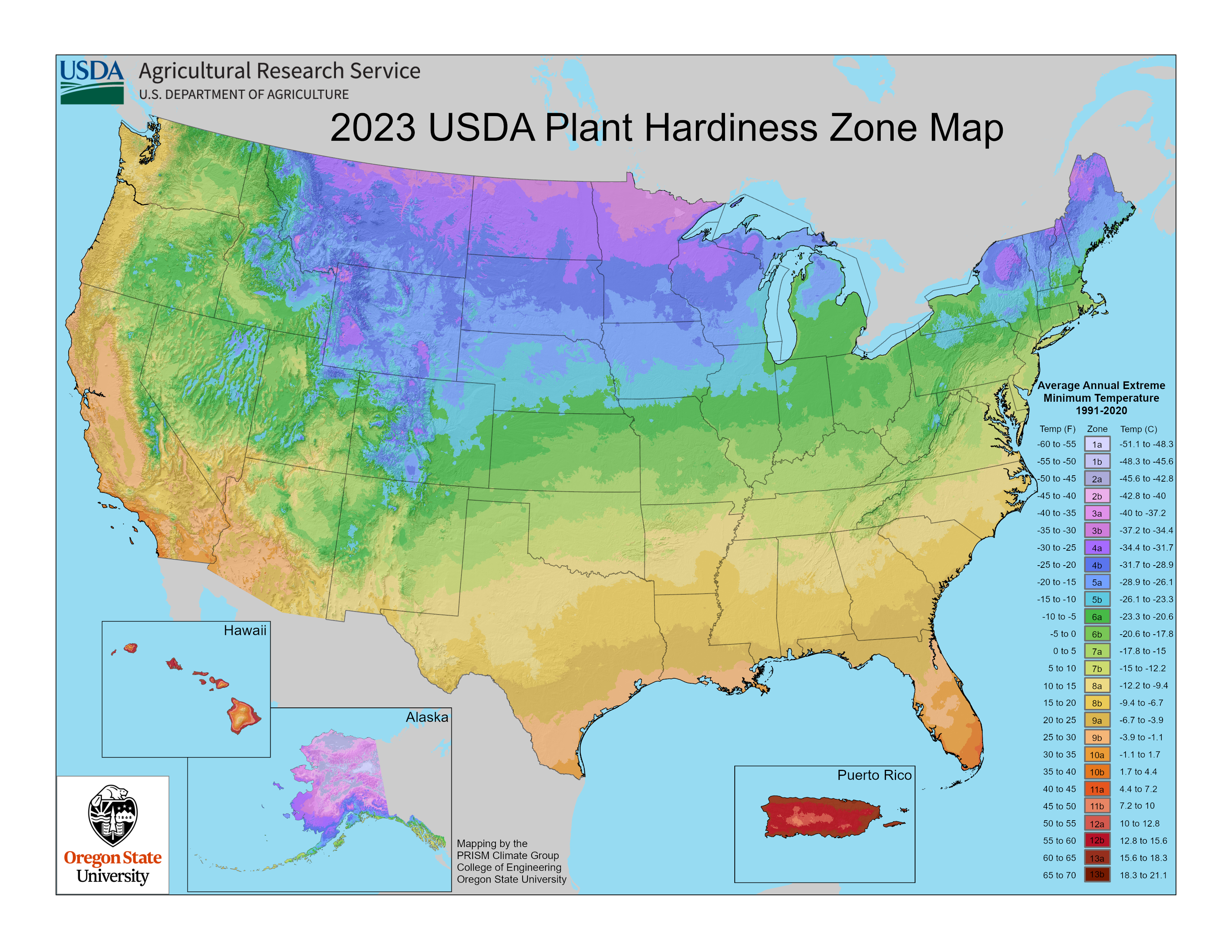
Zones 7-9
Part Shade
Camellia japonica 'Tama Vino' is a remarkable cultivar prized for its deep wine-red blooms, often showcasing a unique peony or rose-form double flower structure. This slow-growing shrub thrives in partial shade and acidic, well-drained soil, making it an excellent choice for shaded garden areas or as a standout specimen. Over 10 years, it typically grows to a height of 6-8 ft and a width of 4-6 ft, depending on factors such as soil quality, climate, and care.
Limited Quantities Available !! As we have over a thousand cultivars of woody ornamentals, we often do not have many of each cultivar. We recommend that you buy the woody ornamentals you want immediately as we often sell out of certain selections.
Camellia Care Guide
Camellia care fundamentals for glossy evergreen foliage, clean roots, and winter-to-spring flowers.
Zone optimized care Choose your USDA zone General camellia guidance. Set your USDA zone to tune watering, sun, soil, pruning, and winter notes to your climate.
Camellias are broadleaf evergreen shrubs and small trees valued for glossy foliage and cool-season flowers. They thrive in acidic, organic, well-drained soil with partial shade, protection from winter wind, and consistent moisture during bud development.
General camellia guidance
Most common camellias are grown in USDA Zones 7-10, with some hardy cultivars extending into Zone 6. Success depends on protected siting, acidic drainage, and avoiding drought during late summer and early fall bud formation.
Colder than this guide's listed range
Use cold-hardy camellia cultivars only, plant in a protected site, and expect bud or leaf burn in severe winters. Containers need unheated winter shelter.
Cold-edge care: Zone 7
Cold-edge care focuses on winter wind protection, morning sun avoidance after hard freezes, and selecting hardy cultivars.
Core-range care: Zone 8
This is the easiest range for many camellias. Provide dappled shade, acidic well-drained soil, mulch, and water during dry spells.
Warm-edge care: Zone 9
Warm-edge camellias need afternoon shade, mulch, and reliable irrigation during bud set. Heat and drought can cause bud drop.
Heat-edge care: Zone 10
In Zone 10, choose heat-tolerant types and protect from hot reflected sun. Keep roots cool and evenly moist.
Warmer than this guide's listed range
Many camellias struggle with extreme heat, alkaline soil, or low humidity. Choose locally proven species or grow in protected containers.
Care essentials
Watering
Camellias need even moisture, especially while flower buds form in late summer and early fall. Drought at that time can cause bud drop or weak flowering months later.
Set your zone to tune watering for bud set, winter foliage, and summer heat.
Cold marginal camellias should enter winter hydrated, not waterlogged. Containers need occasional moisture checks in storage.
In Zone 7, water in dry fall weather before freezes to reduce winter burn and bud drop.
In Zone 8, maintain steady moisture during establishment and late summer bud development.
In Zone 9, deep water during hot dry periods and avoid letting buds dry in late summer.
In Zone 10, check soil often during heat. Mulch and afternoon shade reduce stress.
If buds abort repeatedly despite water, heat or cultivar mismatch may be the issue.
- Water at the soil level and avoid wetting flowers when petal blight is active.
- Mulch 2 to 3 inches with pine bark or leaf mold, keeping mulch off the trunk.
- Do not plant in sites where irrigation keeps soil saturated.
- Containers need consistent moisture and excellent drainage.
Soil
Camellias require acidic, well-drained soil high in organic matter. A pH around 5.5 to 6.5 is ideal for many types.
Acidic drainage is essential. Yellow leaves often point to pH or root problems.
Cold wet soil increases root rot and winter injury risk for marginal plants.
In Zone 7, plant high in heavy soil and mulch roots for temperature stability.
In Zone 8, acidic woodland-style soil is ideal.
In Zone 9, organic mulch keeps roots cooler and moisture more even.
In Zone 10, avoid alkaline, compacted, or reflected-heat sites.
Containers with acid-loving plant mix may be easier than modifying unsuitable ground.
- Dig a wide planting area, not a deep hole, and keep the top of the root ball slightly high.
- Do not bury the crown or trunk flare.
- Avoid lime unless a soil test specifically recommends it for another nearby plant, not the camellia.
- Raised beds help in clay or wet sites.
Sunlight
Camellias prefer partial shade, filtered light, or morning sun with afternoon shade. Too much hot sun can scorch leaves and stress buds; too much shade reduces bloom density.
Protect from hot afternoon sun and drying winter wind.
In colder zones, avoid exposed east or south sites where frozen leaves thaw too quickly in morning sun.
In Zone 7, dappled shade with wind protection is safest for winter foliage and buds.
In Zone 8, morning sun or high filtered shade is ideal for many camellias.
In Zone 9, afternoon shade is strongly recommended.
In Zone 10, bright shade or filtered light prevents heat scorch.
Use protected bright shade and avoid all reflected heat if attempting camellias.
- Sasanqua camellias often tolerate more sun than japonicas when watered well.
- Japonicas often prefer more shade, especially in warm climates.
- Good airflow helps reduce scale and petal blight, but avoid drying wind.
- Do not plant where roof runoff pounds the root zone.
Fertilization
Feed camellias lightly after flowering and again in late spring if needed. Avoid late feeding that stimulates tender growth before winter or heat stress.
Use fertilizer for acid-loving plants only when growth or soil tests indicate need.
Do not fertilize late in marginal cold zones.
In Zone 7, feed after bloom and stop by early summer.
In Zone 8, light post-bloom feeding is usually enough.
In Zone 9, avoid summer feeding during heat; water during bud set instead.
In Zone 10, fertilizer during heat can stress roots. Feed lightly only during active growth.
Do not fertilize through heat stress. Correct shade, water, and pH first.
- Keep fertilizer away from the trunk and apply over the root zone.
- Yellow leaves may indicate pH, root rot, drought, or nutrient issues.
- Cottonseed meal or acid-forming fertilizers are commonly used where appropriate.
- Avoid high-nitrogen lawn fertilizer near camellias.
Pruning and maintenance
Prune camellias soon after flowering and before new flower buds form. Light thinning is better than severe shearing for most landscape plants.
Prune immediately after bloom if shaping is needed, and avoid late pruning that removes flower buds.
Wait until spring to assess winter burn before cutting marginal plants heavily.
In Zone 7, prune after bloom and avoid cuts that stimulate late tender growth.
In Zone 8, remove dead, crossing, or crowded branches after flowering.
In Zone 9, prune lightly to improve airflow and manage size before summer heat.
In Zone 10, preserve canopy shade on branches and roots; avoid severe summer pruning.
Stressed camellias should be pruned only for dead or damaged growth.
- Remove interior crossing branches to improve airflow.
- Deadhead or remove fallen flowers where petal blight is a problem.
- Do not shear repeatedly unless maintaining a formal hedge.
- Sanitize tools when pruning diseased branches.
Winter and frost protection
Camellia winter injury shows as burned leaves, dead buds, split bark, or flower loss. Protection from wind and sudden thawing sun is critical in cold-edge zones.
Zone-specific winter care appears after your USDA zone is selected.
Use hardy cultivars, burlap wind screens, mulch, and unheated shelter for containers. Expect some bud loss in severe cold.
In Zone 7, plant out of winter wind and avoid morning sun that rapidly thaws frozen buds and leaves.
In Zone 8, winter protection is usually minimal after establishment, but sudden cold can damage open flowers.
In Zone 9, winter is mild; dry spells during bud development and bloom are more important.
In Zone 10, winter care is minor. Maintain moisture and shade balance.
Winter is rarely the limiting factor; heat and soil chemistry are.
- Water before hard freezes if soil is dry.
- Use breathable frost cloth for short cold events on small plants.
- Do not wrap foliage tightly in plastic.
- Wait until spring growth begins before pruning winter-burned leaves or tips.
Specific tips
Bud drop and flowering
Camellia buds can drop from drought, irregular moisture, temperature swings, root stress, or simply because the plant set more buds than it can carry.
The best bud-drop prevention starts months before bloom with steady late-summer and fall moisture.
Cold injury may kill buds even when leaves survive.
In Zone 7, protect buds from winter wind and rapid morning thaw.
In Zone 8, steady moisture and partial shade support reliable bloom.
In Zone 9, drought during bud set is a common cause of later bud drop.
In Zone 10, protect from heat and dry wind while buds are forming.
Repeated bud drop can signal heat or cultivar mismatch.
- Do not allow roots to dry hard in late summer or fall.
- Avoid transplanting or root disturbance while buds are developing.
- Some bud thinning is normal on heavily budded plants.
- Flowers last longer in cool, protected light.
Container growing
Camellias grow well in containers when the potting mix is acidic, drainage is excellent, and roots are protected from heat and cold extremes.
- Use a large container with drainage holes and acid-loving potting mix.
- Keep pots out of hot afternoon sun in warm zones.
- Repot before roots circle tightly and water runs straight through.
- Move containers to protected unheated shelter during severe cold in marginal zones.
Common issues and troubleshooting
Tea scale and mites
Yellow speckling, sticky residue, or white/brown scale on leaf undersides often indicates scale or mite pressure.
- Inspect leaf undersides regularly.
- Prune lightly for airflow.
- Use horticultural oil or targeted controls when timing and temperatures are appropriate.
Petal blight and flower problems
Brown mushy flowers and rapid petal collapse can indicate petal blight or weather damage.
- Remove fallen infected flowers from under plants.
- Avoid overhead watering on blooms.
- Improve airflow around dense shrubs.
Root rot and chlorosis
Wilting in wet soil, yellow leaves, and decline often come from poor drainage or high pH.
- Check drainage before adding fertilizer.
- Test pH if leaves yellow with green veins.
- Plant high or use raised beds in heavy clay.


