




Magnolia 'Star Wars' Golden Flower Magnolia
- 1 Gallon $40.00
Magnolia 'Star Wars' Golden Flower Magnolia


- 1 Gallon $40.00
Magnolia 'Star Wars' Golden Flower Magnolia
This plant is currently sold out
Magnolia 'Star Wars'
Deciduous Magnolia
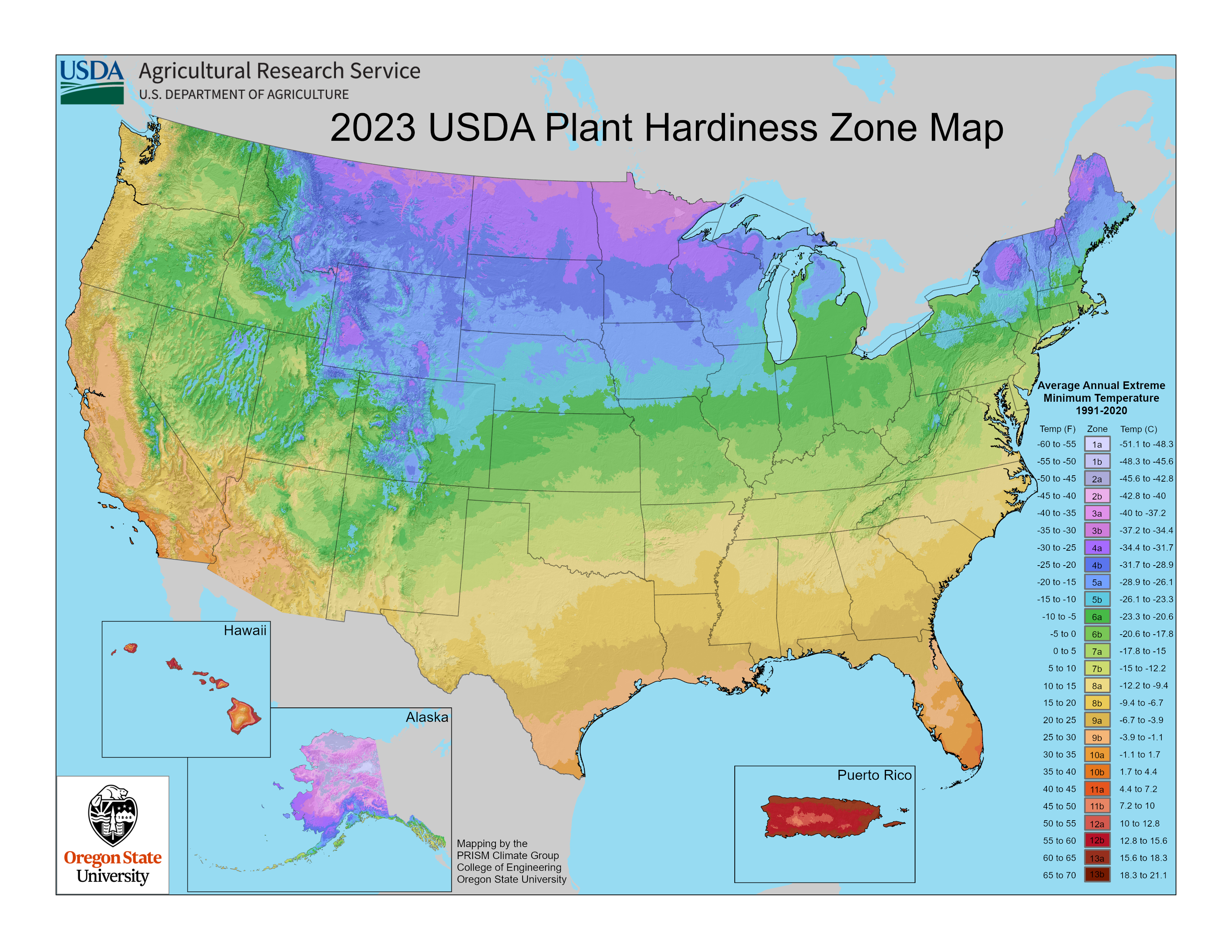
Zones 4-9
Magnolia 'Star Wars', also known as Star Wars Magnolia, is a member of the Magnoliaceae family and the Magnolia genus. This deciduous tree boasts an upright growth habit, reaching heights of 16 ft and widths of 13 ft in 10 years. Its dark green leaves persist throughout the summer, providing an attractive backdrop for its striking blooms. The tulip-shaped flowers of 'Star Wars' showcase a vibrant purplish-pink hue, with outer petals that tend to roll inward. This hybrid originated from a cross between M. campbellii and M. liliiflora, developed and named by Oswald Blumhardt of New Zealand in the 1970s.
Limited Quantities Available !! As we have over a thousand cultivars of Japanese maples, we often do not have many of each cultivar. We recommend that you buy the Japanese maples you want immediately as we often sell out of certain selections
Magnolia Care Guide
Magnolia care for reliable bloom, glossy foliage, and healthy long-lived trees or shrubs.
Zone optimized care Choose your USDA zone General magnolia guidance. Set your USDA zone to tune watering, sun, soil, pruning, and winter notes to your climate.
Magnolias range from compact deciduous flowering shrubs to large evergreen trees. Most prefer fertile, acidic, moist but well-drained soil, protection from harsh wind, and enough sun for strong flowering.
General magnolia guidance
Magnolia hardiness varies widely by species and cultivar. This broad guide covers many landscape magnolias from USDA Zones 4-10; always confirm the exact plant's listed range.
Colder than this guide's listed range
Below the listed range, flower buds and roots are highly vulnerable. Choose a cold-hardy magnolia such as star, Loebner, cucumbertree hybrids, or another cultivar rated for your zone.
Cold-edge care: Zone 4
Cold-edge magnolias need spring planting, wind protection, and siting away from warm south walls that trigger early bloom before late freezes.
Core-range care: Zones 5-8
This is the strongest range for many deciduous magnolias. Provide full sun to light shade, acidic well-drained soil, mulch, and consistent moisture.
Warm-edge care: Zone 9
Warm-edge magnolias need attention to species choice. Deciduous spring bloomers may flower early; evergreen and southern types appreciate moisture and mulch.
Heat-edge care: Zone 10
Heat-edge success depends on species. Southern, sweetbay, and heat-adapted evergreen hybrids perform better than many cold-climate deciduous magnolias.
Warmer than this guide's listed range
Sustained tropical heat can reduce bloom quality and stress non-adapted magnolias. Choose heat-proven evergreen species or a different flowering tree.
Care essentials
Watering
Magnolias like even moisture, especially while establishing and while flower buds are forming. Water deeply rather than lightly sprinkling.
Set your zone to show the safest watering rhythm for your climate.
Cold containers should be kept barely moist through winter; frozen, wet potting mix can damage roots.
In Zone 4, water well in dry autumns before freeze-up to reduce winter root stress.
In Zones 5-8, water weekly during the first two summers when rainfall is lacking.
In Zone 9, monitor summer moisture closely. Evergreen magnolias drop leaves when drought stressed.
In Zone 10, provide reliable irrigation during heat and dry wind, especially for newly planted evergreen types.
If the magnolia is not heat-adapted, water alone will not prevent bloom failure or leaf scorch.
- Water the root ball and surrounding soil until roots move outward into native soil.
- Keep soil moist, not waterlogged; magnolias decline in saturated or compacted ground.
- Use 2 to 4 inches of mulch over a wide area and keep it off the trunk.
- Container magnolias need frequent checks in summer and winter protection where roots may freeze.
Soil
Most magnolias prefer fertile, acidic, well-drained soil with organic matter. High pH soils can cause chlorosis and weak growth.
Acidic, well-drained soil is the baseline for strong magnolia growth.
Cold sites need drainage that prevents water from freezing around the root system.
In Zone 4, raised planting or a slight slope helps protect roots in heavy soil.
In Zones 5-8, amend lightly with compost if soil is poor, but avoid overworking the root area.
In Zone 9, organic matter and mulch keep roots cooler and improve moisture stability.
In Zone 10, sandy soil may need compost and mulch to hold moisture, while clay must be planted high for drainage.
Use species adapted to local soil and heat; forcing a cool-climate magnolia into hot alkaline soil is unreliable.
- Plant with the root flare visible and the top of the root ball level with or slightly above grade.
- Do not dig or cultivate under established magnolias; their shallow roots are easily injured.
- Avoid lime unless a soil test specifically recommends it.
- If leaves yellow with green veins, check soil pH, drainage, and root health before fertilizing.
Sunlight
Most magnolias bloom best in full sun, but some smaller or evergreen types appreciate light afternoon shade in hot climates.
Exposure depends on species: deciduous bloomers usually need more sun; heat-edge evergreen types benefit from protection.
Do not plant on a warm south wall in very cold zones; early bud swelling increases frost damage.
In Zone 4, full sun with wind protection is best, but avoid low frost pockets.
In Zones 5-8, full sun to light shade supports bloom and strong branch structure.
In Zone 9, morning sun with afternoon shade helps protect foliage and flower buds.
In Zone 10, use heat-adapted species and avoid reflected heat; evergreen types often appreciate filtered afternoon light.
Shade may reduce heat stress, but many non-tropical magnolias still need a winter chill cycle for best bloom.
- Full sun means six or more hours of direct light and usually the best flowering.
- Afternoon shade is useful in hot-summer regions and for newly planted specimens.
- Strong wind can shred large leaves and break soft branches; sheltered placement helps.
- Avoid tight spaces near foundations unless the cultivar's mature size is truly compact.
Fertilization
Fertilize only when growth is weak or a soil test indicates low fertility. Magnolias respond well to organic mulch and moderate spring feeding, not heavy nitrogen.
Feed in early spring if needed, especially on sandy or low-fertility soils.
Avoid late-season fertilizing because tender growth is easily winter damaged.
In Zone 4, feed lightly after growth begins and stop by early summer.
In Zones 5-8, a slow-release acid-forming fertilizer can be used if soil is alkaline or growth is pale.
In Zone 9, avoid feeding during heat or drought stress.
In Zone 10, light spring feeding is enough; keep irrigation consistent before and after fertilizer.
Do not use fertilizer to force growth in an unsuitable climate. Correct siting first.
- Use slow-release balanced fertilizer or an acid-forming product where pH is high.
- Do not place fertilizer directly against the trunk.
- Newly planted magnolias usually establish better with water and mulch than with heavy fertilizer.
- Drought in late summer can reduce next season's bloom; water management matters more than extra feeding.
Pruning and maintenance
Magnolias need minimal pruning. Remove dead, damaged, crossing, or poorly placed branches, and avoid major cuts on old wood unless necessary.
Prune right after flowering for spring-blooming deciduous types; prune evergreen magnolias lightly after bloom or during mild weather.
Wait until spring growth shows what survived winter before removing questionable limbs.
In Zone 4, avoid heavy late-season pruning that encourages tender growth.
In Zones 5-8, train young trees early because mature magnolias do not respond well to heavy reshaping.
In Zone 9, avoid opening the canopy suddenly and exposing bark to sunscald.
In Zone 10, prune lightly during mild periods; avoid heavy cuts during heat.
Keep pruning conservative on climate-stressed plants.
- Remove suckers or low limbs only if they conflict with the desired form.
- Use clean, sharp tools and keep cuts outside the branch collar.
- Do not shear magnolias into tight hedges unless using a cultivar intended for screening.
- Avoid repeated digging or edging under the canopy; root damage can cause decline.
Winter and frost protection
Winter issues depend heavily on species. Deciduous spring magnolias often lose flowers to late frost; evergreen types can suffer wind burn and root stress.
Set your zone for frost and winter protection notes.
Choose a hardier species or protect container roots in an unheated sheltered area.
In Zone 4, mulch deeply, protect young trunks, and site away from winter wind and early-warming exposures.
In Zones 5-8, late frost may damage flowers some years; the tree usually recovers normally.
In Zone 9, early bloomers may open before a late cold snap; avoid south walls that accelerate bud break.
In Zone 10, evergreen magnolias may need winter watering during dry windy periods.
Winter protection is less important than choosing a type that receives enough chill and handles summer heat.
- Water during dry autumns so roots enter winter hydrated.
- Use breathable frost cloth over small trees or shrubs during late freezes; remove once temperatures rise.
- Do not prune frost-damaged flower buds; simply allow the plant to leaf out.
- Evergreen magnolias need shelter from drying winter wind in colder parts of their range.
Specific tips
Container growing
Compact magnolias can grow in containers for several years, but they need large pots, drainage, and steady moisture.
Containers are less forgiving than in-ground planting.
Move dormant containers into an unheated protected place where roots do not freeze solid.
In Zone 4, container magnolias need winter root insulation or protected storage.
In Zones 5-8, use large containers and refresh the mix as roots fill the pot.
In Zone 9, shade the pot from afternoon sun and water consistently.
In Zone 10, containers may dry rapidly; use a large pot and mulch the surface.
Only heat-adapted magnolias should be attempted in containers in very warm climates.
- Use a bark-based, well-draining acidic potting mix.
- Do not let pots sit in standing water.
- Choose compact cultivars rather than large shade-tree magnolias.
- Repot before the plant becomes severely root-bound.
Variety selection
Species choice is the most important magnolia decision.
- Star, Loebner, and many deciduous hybrids fit colder gardens but may have frost-sensitive spring flowers.
- Southern magnolia and sweetbay magnolia are better choices for warm, humid regions.
- Evergreen types need more winter wind protection in cold-edge zones.
- Check mature size carefully; many magnolias outgrow foundation beds.
Common issues and troubleshooting
Frost-damaged flowers
Brown or limp flowers after a cold snap are common on early-blooming deciduous magnolias.
- Plant away from frost pockets and early-warming south walls.
- Use frost cloth on small specimens during late freezes.
- The plant usually remains healthy even when blooms are lost for one season.
Chlorosis and root stress
Yellow leaves with green veins often indicate high pH, poor drainage, or root damage.
- Check soil pH and drainage before applying fertilizer.
- Avoid trenching, digging, or heavy foot traffic under the canopy.
- Use acid-forming fertilizer only when soil conditions support it.
Scale, leaf spot, and sooty mold
Magnolia scale and related pests can lead to sticky honeydew and black sooty mold on leaves and surfaces below.
- Inspect stems for scale before treating only the leaves.
- Improve airflow and reduce stress through correct watering.
- Treat scale at the correct life stage using horticultural oil or a local extension-recommended product.


