




Rohdea japonica Omoto Sacred Lily
- 1 Gallon $30.00
Rohdea japonica Omoto Sacred Lily


Rohdea japonica Omoto Sacred Lily
- 1 Gallon $30.00
This plant is currently sold out
Description
Rohdea japonica
Omoto Sacred Lily from Japan
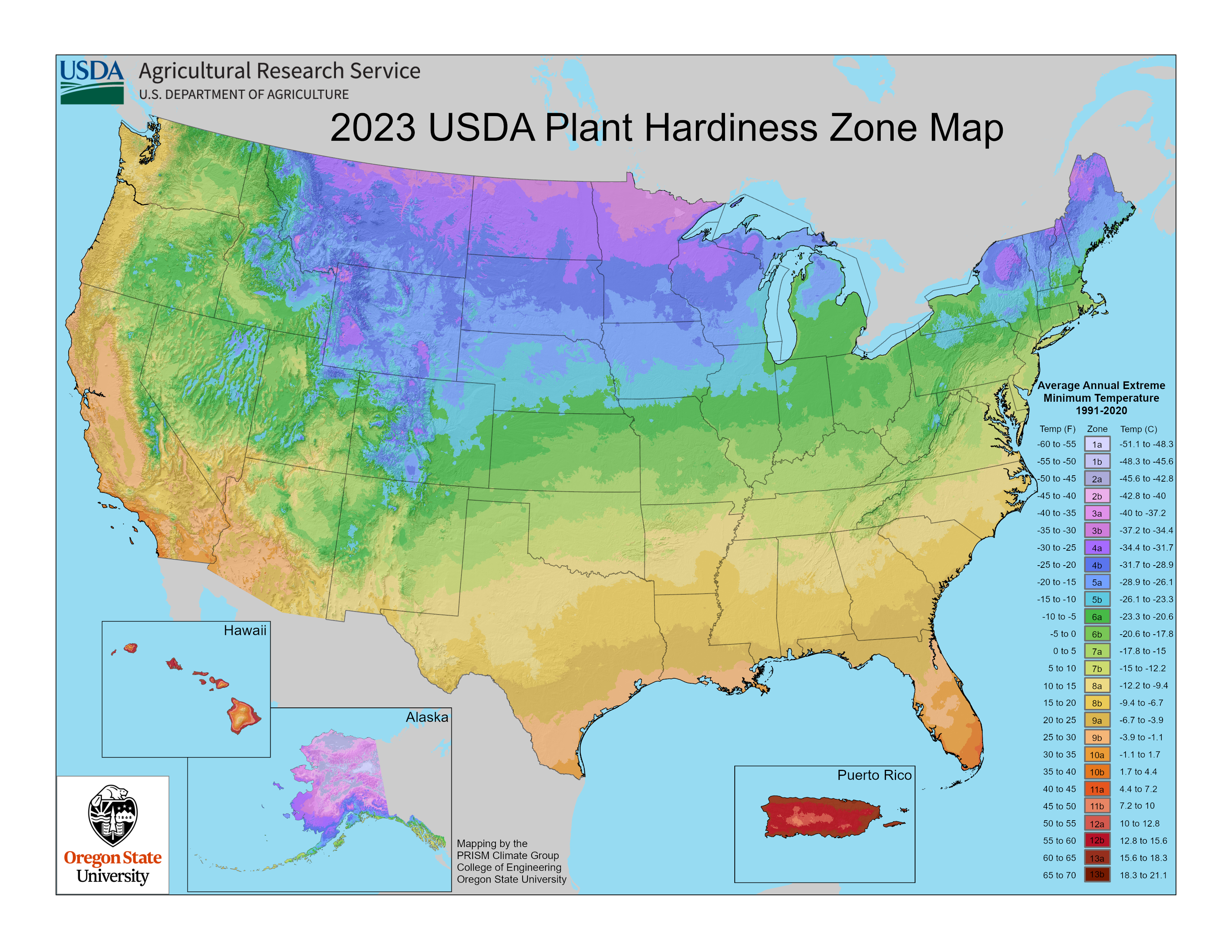
ZONES 6-10
PART SUN-FULL SHADE
e Japanese maple store!
Our 1 gallons Omoto are of seed source from Japan, with each 1 gallon showing slightly different characteristics.
Think of Omoto as a hosta that holds its leaves on all winter and is good in zones 6-10. It is even considered deer resistant. This plant is highly prized in Japan and is one of the most sought after plants. This plant grows and thrives in light shade to the deepest darkest shade imaginable. It does not require light to bloom and show its attractive bright orange fruit
The sacred lily, or rohdea japonica, is cherished in Chinese and Japanese culture and is considered a living jewel. It is often given as a house warmng present or to commemorate an event like a birthday.
While the sacred lily may be grown outdoors, on our trips to Japan we have noticed that this plant has become more of an herbaceous bonsai. Known in Japan as omoto, it is typically placed in a fancy pot and can be used indoors as a table centerpiece or house decor. When doing this, remember to give the plant an adequate amount of water, especially in the winter when inside moisture disappears.
Sometime during spring to summer a flower spike may appear on the plant. If pollinated, this will produce an attractive looking cluster of orange berries.
Outside rohdea japonica can be used as an evergreen border, a ground cover, an accent, a grouping, or mass planting. Because of the sacred lily's high tolerance for shade, this plant is heavily under utilized in the United States where many deep deep shade areas have issues with soil erosion due to lack of ground cover. Used in fairy gardens, the sacred lily is a great way to add a tropical jungle feel outside.
Rohdea japonica can be multiplied by division. Each one gallon we are selling will be able to make multiple plants.
The sacred lily is excellent to bring a taste of that natural Japan feel to your garden or home.
Limited Quantities Available !! As we have over a thousand cultivars of woody ornamentals, we often do not have many of each cultivar. We recommend that you buy the woody ornamentals you want immediately as we often sell out of certain selections.
Broadleaf Evergreen Care Guide
Broadleaf evergreen care fundamentals for year-round foliage, winter protection, and steady growth.
Zone optimized care Choose your USDA zone General broadleaf evergreen guidance. Set your USDA zone to tune watering, sun, soil, pruning, and winter notes to your climate.
Broadleaf evergreens include plants such as hollies, camellias, azaleas, rhododendrons, laurels, boxwoods, mahonias, and many regional shrubs. They keep leaves through winter, so placement, soil moisture, drainage, and wind protection matter more than for many deciduous plants.
General broadleaf evergreen guidance
Many broadleaf evergreens perform in Zones 5-9, but exact hardiness depends on the plant. Always follow the cultivar's listed range and adjust care for winter wind, summer heat, and soil pH.
Colder than this guide's listed range
Outside the cold range, winter burn and stem dieback are likely. Choose hardier species, use containers with root protection, or plant in a sheltered microclimate.
Cold-edge care: Zone 5
Cold-edge care focuses on winter wind protection, water before freeze-up, mulch, and avoiding exposed south or west winter sun.
Core-range care: Zones 6-7
This is the best range for many broadleaf evergreens. Moist acidic soil, partial shade, and mulch usually produce steady growth.
Warm-edge care: Zone 8
Warm-edge sites need afternoon shade for sensitive types, deep watering during drought, and mulch to cool shallow roots.
Heat-edge care: Zone 9
In Zone 9, select heat-tolerant species, avoid reflected heat, and keep irrigation consistent without waterlogging roots.
Warmer than this guide's listed range
Many cool-climate broadleaf evergreens decline in excessive heat or low chill. Use regionally adapted evergreen species instead.
Care essentials
Watering
Broadleaf evergreens need consistent moisture because leaves continue to lose water during mild or windy winter weather. Drought stress can show as browning, leaf curl, bud drop, or slow decline.
Set your zone to tune watering for winter desiccation and summer heat.
Containers or marginal plants need protected roots and occasional winter checks so the root ball does not dry out completely.
In Zone 5, water before freeze-up, mulch roots, and protect from drying winds.
In Zones 6-7, maintain even moisture during establishment and dry spells; avoid letting root balls dry hard.
In Zone 8, water deeply during hot dry periods, especially for shallow-rooted azaleas, rhododendrons, and camellias.
In Zone 9, check new plantings frequently during summer heat and use mulch to slow evaporation.
If leaves repeatedly scorch despite watering, the plant may not be heat-adapted. Increase shade or replace with a warmer-climate evergreen.
- Water the root zone, not the foliage, especially late in the day.
- Use 2 to 3 inches of mulch, keeping it off stems and trunks.
- Do not keep soil constantly soggy; many broadleaf evergreens are root-rot prone.
- Container plants need winter moisture checks because evergreen leaves still transpire.
Soil
Most broadleaf evergreens prefer well-drained soil rich in organic matter. Many common types prefer acidic soil and show chlorosis when pH is too high.
Drainage and pH are the two biggest soil factors. Test soil before making major changes.
Cold wet soil increases winter root injury. Raised beds are safer for marginal plants in heavy clay.
In Zone 5, plant high in poorly drained soil and mulch after the root zone settles.
In Zones 6-7, acidic organic soil with steady moisture suits many broadleaf evergreens.
In Zone 8, organic matter improves moisture retention while mulch protects shallow roots from heat.
In Zone 9, alkaline or compacted soils can cause chronic yellowing and root stress. Use adapted species or containers if needed.
Choose species suited to your local soil chemistry rather than forcing acid-loving plants in hot alkaline ground.
- Avoid planting too deep; shallow roots need oxygen.
- Do not pile mulch against stems or crowns.
- Raised beds help in heavy clay or sites that hold winter water.
- Use acid-loving plant mixes for containers when growing camellias, azaleas, hollies, and rhododendrons.
Sunlight
Light needs vary by plant, but many broadleaf evergreens prefer morning sun, dappled light, or partial shade, especially in hot regions. Winter sun and wind can be as damaging as summer sun.
Match exposure to the specific plant. Shade-loving evergreens burn in hot afternoon sun, while sun-loving types thin out in shade.
In marginal cold zones, avoid exposed winter sun that warms leaves while roots remain frozen.
In Zone 5, an east or north-east exposure often reduces winter burn on broadleaf evergreen foliage.
In Zones 6-7, morning sun with afternoon shade is safe for many acid-loving broadleaf evergreens.
In Zone 8, afternoon shade is important for camellias, azaleas, rhododendrons, and other scorch-prone types.
In Zone 9, use bright shade or filtered light for sensitive species and avoid wall-reflected heat.
If summer scorch is chronic, move containers to brighter shade or choose heat-adapted evergreen shrubs.
- Hollies and many laurels take more sun than azaleas or rhododendrons.
- Good airflow reduces leaf spot and scale pressure.
- Avoid planting broadleaf evergreens where winter wind funnels between buildings.
- Variegated cultivars may need more light but also burn more easily in heat.
Fertilization
Fertilize broadleaf evergreens lightly and only when growth, leaf color, or soil tests show need. Overfeeding produces soft growth that is more vulnerable to winter burn, pests, and drought.
Use acid-forming fertilizer for acid-loving types when pH is appropriate, and avoid late-season feeding.
Late fertilizer in cold climates increases winter injury risk.
In Zone 5, fertilize in early spring only, after the worst cold has passed.
In Zones 6-7, light spring feeding is enough for most established plants.
In Zone 8, do not feed during drought or heat stress.
In Zone 9, focus on water and shade first; fertilizer cannot fix heat scorch.
Avoid forcing growth on plants already outside their comfort range.
- Test pH if leaves yellow with green veins.
- Keep fertilizer away from stems and crowns.
- Mulch and composted leaf mold often provide enough slow nutrition.
- Container plants may need light seasonal feeding because nutrients leach out.
Pruning and maintenance
Prune based on the specific plant's flowering time and growth habit. Many spring-flowering broadleaf evergreens set buds on old wood and should be pruned soon after bloom.
Do not shear every broadleaf evergreen into a box. Use thinning cuts for natural form unless the plant is intended as a formal hedge.
Wait until spring growth begins before removing winter-burned foliage on marginal plants.
In Zone 5, avoid heavy late-summer pruning that triggers tender growth before winter.
In Zones 6-7, prune spring bloomers after flowering and non-blooming hedges in late winter or early summer.
In Zone 8, avoid heavy pruning during heat waves and preserve foliage that shades stems.
In Zone 9, prune lightly and more often rather than removing large canopy sections in summer.
Heat-stressed plants should be pruned only for dead, damaged, or crossing growth.
- Prune azaleas, rhododendrons, camellias, and many spring bloomers soon after flowering.
- Formal hedges should be slightly wider at the base so lower leaves get light.
- Remove dead or diseased wood promptly with sanitized tools.
- Avoid cutting into old bare wood on plants that do not regenerate well.
Winter and frost protection
Winter burn is a major broadleaf evergreen issue. Leaves dry out when sun and wind pull moisture from foliage while frozen soil prevents roots from replacing it.
Zone-specific winter care appears after your USDA zone is selected.
Use burlap wind screens, protected sites, or containers moved to unheated shelter for marginal plants.
In Zone 5, plant out of winter wind, water before freeze-up, mulch roots, and protect young plants with breathable barriers.
In Zones 6-7, most winter burn follows dry fall weather, exposed wind, or sudden cold after warm spells.
In Zone 8, avoid late fertilizer and late pruning so growth hardens before cold snaps.
In Zone 9, winter is usually mild, but container plants can still dry out during dry wind events.
Winter injury is less important than heat tolerance; focus on shade, irrigation, and plant selection.
- Water thoroughly before soil freezes when autumn is dry.
- Use burlap screens as windbreaks; do not wrap foliage tightly in plastic.
- Do not prune winter-burned leaves too early; wait until new growth shows what is alive.
- Protect containers because roots are less insulated above ground.
Specific tips
Container growing
Broadleaf evergreens work well in containers when drainage, moisture, and winter root protection are handled carefully.
Containers dry and freeze faster than in-ground roots.
Move containers to an unheated garage, cold frame, or sheltered wall after plants go dormant or semi-dormant.
In Zone 5, insulate pots or group them together and protect from winter wind.
In Zones 6-7, containers can stay outside for hardy types if pots are large and moisture is monitored.
In Zone 8, containers may need afternoon shade and daily checks during heat.
In Zone 9, use larger containers and light-colored pots to reduce root heating.
Container culture allows shade movement, but root heat can still be limiting.
- Use a pot with drainage holes and a mix suited to the plant's pH needs.
- Do not let saucers hold water under the pot.
- Repot or root-prune before the plant becomes severely root-bound.
- Check moisture during winter warm spells and dry wind.
Choosing the right type
Broadleaf evergreen is a category, not a single plant. Match the specific species to your light, soil, mature size, and zone.
- Use hollies and laurels where screening and sun tolerance are needed.
- Use azaleas, rhododendrons, and camellias where acidic soil and filtered light are available.
- Use boxwood or compact hollies for formal structure, but plan for pest and disease pressure in your region.
- Check mature size carefully before planting near foundations or walkways.
Common issues and troubleshooting
Winter burn
Brown margins, bronzed leaves, and one-sided damage often come from winter sun, wind, frozen soil, or dry roots.
- Water before freeze-up in dry fall weather.
- Use wind screens on exposed plants.
- Wait until spring to prune damaged foliage.
Root rot
Wilting in wet soil, thinning growth, and sudden decline often point to poor drainage or overwatering.
- Plant high in heavy clay.
- Avoid standing water and saucers under containers.
- Replace with a wet-soil-tolerant plant if drainage cannot be corrected.
Chlorosis, scale, and leaf spot
Yellowing, sticky leaves, black sooty mold, and spotting are common stress signals on broadleaf evergreens.
- Test pH before treating chlorosis.
- Inspect stems and leaf undersides for scale.
- Improve airflow and avoid overhead watering when leaf spot is active.


