




- 7 Gallon $225.00
Prunus 'Pink Cascade' Weeping Pink Flowering Cherry Tree


Prunus 'Pink Cascade' Weeping Pink Flowering Cherry Tree
Local Pickup OnlyDescription
Prunus 'Pink Cascade'
Pink Flowering Weeping Cherry Tree
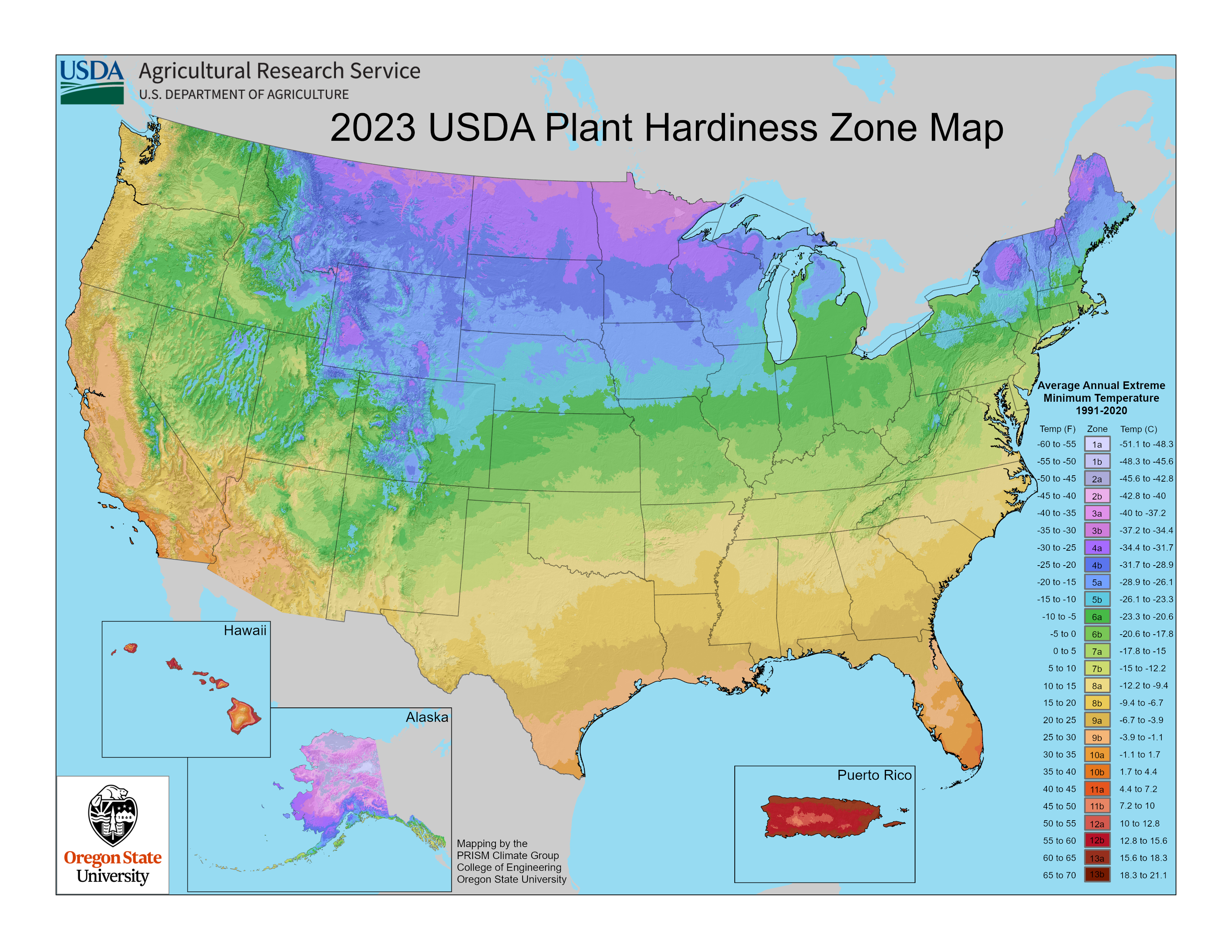
Zones 6-8
Prunus 'Pink Cascade' is a cultivar of the Weeping Cherry Tree, renowned for its stunning display of pink blossoms. This deciduous tree is celebrated for its graceful, cascading branches that create a picturesque weeping effect, especially when adorned with its profusion of delicate pink flowers. In early spring, 'Pink Cascade' bursts into bloom with an abundance of soft pink flowers that contrast beautifully against the tree's dark branches. The weeping habit of the branches enhances the overall aesthetic, creating a stunning focal point in any garden or landscape. Typically reaching a height of 8-12 ft and a spread of 6-10 ft. It thrives in full sun to partial shade and prefers well-drained soil.
These trees are for local pickup only, we cannot ship them because they are too big. The MrMaple Nursery is located in East Flat Rock, NC. Please contact us to arrange a pickup time.
Limited Quantities Available !! As we have over a thousand cultivars of Japanese maples, we often do not have many of each cultivar. We recommend that you buy Japanese maples you want immediately as we often sell out of certain selections.
Cherry Care Guide
Cherry care fundamentals for spring bloom, healthy bark, and reliable landscape performance.
Zone optimized care Choose your USDA zone General cherry guidance. Set your USDA zone to tune watering, sun, soil, pruning, and winter notes to your climate.
Ornamental cherries are grown for spectacular spring flowers, graceful branching, and seasonal interest. They perform best in full sun, moist well-drained soil, and open sites with good airflow. Avoid wet roots, trunk injury, and high-stress urban sites.
General cherry guidance
Many ornamental flowering cherries are most reliable in USDA Zones 5-8, though exact hardiness varies by species and cultivar. Good drainage, airflow, and full sun are essential.
Colder than this guide's listed range
Flower buds, bark, and young stems can be injured outside the cold range. Choose a hardier cherry or a different spring-flowering tree rated for your zone.
Cold-edge care: Zone 5
Cold-edge care focuses on hardy cultivars, spring planting, protection from trunk cracking, and avoiding frost pockets that damage bloom.
Core-range care: Zone 6
This is the easiest range for many flowering cherries. Give full sun, open airflow, even moisture, and careful pruning to preserve branch structure.
Warm-edge care: Zone 7
Warm-edge cherries need good airflow, mulch, and irrigation during heat. Disease pressure may increase where summers are humid.
Heat-edge care: Zone 8
Zone 8 is the warm edge for many ornamental cherries. Select low-chill or heat-tolerant cultivars where appropriate and avoid reflected heat.
Warmer than this guide's listed range
Many flowering cherries will have poor bloom, disease stress, or short life in warmer zones. Choose a heat-adapted flowering tree instead.
Care essentials
Watering
Water young cherries deeply and consistently until established. Mature trees need supplemental water during dry spells, especially while buds, flowers, and new shoots are forming.
Set your zone to tune watering for cold establishment, summer heat, and disease risk.
In colder zones, keep roots hydrated before winter but never saturated in freezing soil.
In Zone 5, water well during dry fall weather before freeze-up and during dry springs after planting.
In Zones 6-7, water weekly the first year when rain is lacking; established trees need help in drought.
In Zone 8, monitor soil during hot spells. Deep watering reduces leaf scorch and premature drop.
In Zone 8, newly planted cherries may need more frequent checks in sandy or exposed sites.
If heat stress repeats despite watering, the tree is likely outside its comfort range.
- Avoid overhead irrigation on foliage in humid regions; wet leaves can increase disease pressure.
- Do not let the root zone stay soggy. Cherries dislike poorly drained soil.
- Water at the dripline and beyond as the tree grows, not only beside the trunk.
- Containers and newly planted root balls dry faster than surrounding native soil.
Soil
Cherries prefer moist, well-drained loam with moderate fertility. Wet, compacted, or heavy poorly drained soils lead to root decline and short tree life.
Drainage is critical. Plant high or choose another site if water stands after rain.
Cold wet soil increases winter root stress and bark cracking risk.
In Zone 5, plant in spring or early fall on a well-drained site away from frost pockets.
In Zones 6-7, average well-drained garden soil is usually suitable with mulch and careful watering.
In Zone 8, organic mulch helps keep soil cooler while reducing water stress.
At the warm edge, avoid dry sandy sites and hot compacted soil near pavement.
Soil improvement may not overcome low chill or excessive heat. Choose a warm-climate flowering tree.
- Plant with the root flare visible and the graft union above soil if the tree is grafted.
- Avoid deep planting; cherries are sensitive to crown and root problems.
- Do not pile mulch against the trunk.
- Heavy clay should be corrected with grade, drainage, or a raised planting area rather than a deep amended hole.
Sunlight
Full sun gives cherries the best flowering, strongest branch development, and fastest drying after rain. Shade reduces bloom and increases disease pressure.
Choose open sun with good airflow and enough room for the mature canopy.
In colder zones, full sun helps bloom and growth, but avoid low frost pockets.
In Zone 5, a sunny site with some wind protection helps reduce winter and spring injury.
In Zones 6-7, full sun is ideal and supports heavy flowering.
In Zone 8, full sun is still best, but avoid heat-trap sites near walls or asphalt.
At the warm edge, morning sun with light afternoon relief may help sensitive cultivars in hot inland sites.
Shade may reduce heat stress but usually also reduces bloom. Climate-adapted alternatives are more reliable.
- Good airflow helps leaves and flowers dry quickly after rain.
- Do not crowd cherries between buildings or dense evergreen screens.
- Avoid sites where sprinklers wet the canopy repeatedly.
- Allow space for mature spread so major pruning is not needed later.
Fertilization
Fertilize cherries lightly if needed. Too much nitrogen can push soft growth that is more vulnerable to aphids, disease, and winter injury.
Use soil testing or growth response to decide. Many ornamental cherries need little feeding in decent soil.
Do not feed late in cold climates; tender late growth is winter-prone.
In Zone 5, fertilize only in early spring if growth is weak.
In Zones 6-7, light spring feeding may help young trees but established trees often need none.
In Zone 8, avoid summer fertilizing during heat or drought.
At the warm edge, fertilizer cannot compensate for heat stress or poor drainage.
Do not push growth on a stressed tree outside its climate range.
- Keep lawn fertilizer away from the trunk and mulch ring.
- Slow-release balanced fertilizer is safer than fast-release nitrogen.
- Pale leaves can mean root stress, pH issues, drought, or disease rather than lack of fertilizer.
- Mulch and composted leaf matter often provide enough gradual nutrition.
Pruning and maintenance
Prune cherries carefully to remove dead, crossing, crowded, or diseased branches while keeping the natural form. Avoid unnecessary large cuts because cherries can be prone to canker and decay.
Prune during dry weather. For spring-flowering ornamental cherries, light shaping is often done after bloom; structural work can be done during dormancy where disease pressure is lower.
In cold zones, wait to see winter injury before pruning questionable stems.
In Zone 5, avoid heavy late-summer pruning that stimulates tender growth before winter.
In Zones 6-7, remove dead, rubbing, and narrow-angle branches before they become large problems.
In Zone 8, prune for airflow but avoid opening the canopy so much that bark sunscalds.
At the warm edge, avoid heavy pruning during hot drought periods.
Limit pruning on stressed trees to dead, damaged, or diseased branches.
- Make clean cuts at the branch collar; do not leave stubs.
- Remove water sprouts and suckers while small.
- Sanitize tools when canker or disease is present.
- Protect bark from mower and trimmer wounds.
Winter and frost protection
Winter and spring problems include bark splitting, frost-damaged flowers, and bud injury. Site selection and cultivar choice matter more than heavy protection after planting.
Zone-specific frost guidance appears after your USDA zone is selected.
Outside the cold range, flower buds and cambium may be injured. Choose a hardier flowering tree.
In Zone 5, protect young trunks from sunscald and animal damage, and avoid low frost pockets.
In Zones 6-7, late spring freezes may reduce flowers but usually do not harm established trees long term.
In Zone 8, warm spells can push early bloom before late cold snaps. Plant where cold air drains away.
At the warm edge, insufficient chill may reduce flowering on some cultivars.
Winter cold is not the main problem; low chill and heat stress reduce performance.
- Mulch roots but keep mulch away from the trunk.
- Use trunk guards only when needed and remove or loosen them as the trunk expands.
- Do not fertilize late in summer.
- After frost ruins flowers, wait for new leaves before assessing overall tree health.
Specific tips
Flowering and site selection
The best cherry bloom comes from a sunny, open, well-drained site and a cultivar adapted to your winter chill and summer heat.
Choose the cultivar for your climate first, then choose the prettiest bloom color and form.
Cold zones need hardy buds and bark; bloom may still be damaged by late freezes.
In Zone 5, choose hardy ornamental cherries and avoid exposed windy hilltops and frost pockets.
In Zones 6-7, most popular flowering cherries bloom reliably with full sun and good drainage.
In Zone 8, choose cultivars known to handle warm winters and humid summers.
At the warm edge, select lower-chill or heat-tolerant types where recommended locally.
Use a flowering tree better adapted to warm climates if cherry bloom is unreliable.
- Single-flowered types often support pollinators better than very double sterile-looking blooms.
- Weeping forms need room for the branch curtain to develop naturally.
- Avoid tight courtyards with poor airflow.
- Expect many ornamental cherries to be shorter-lived than oaks, maples, or ginkgo.
Bark and trunk protection
Cherry bark is ornamental but sensitive. Physical injury often leads to borer entry, cankers, or decline.
- Keep grass and weeds away from the trunk with a mulch ring.
- Never hit the trunk with string trimmers or mower decks.
- Avoid attaching lights, wires, or labels tightly around branches.
- Inspect cracks, gumming, and sunken bark areas early.
Common issues and troubleshooting
Leaf spot, canker, and gummosis
Spotted leaves, sunken bark, and amber gum usually indicate stress, wounds, or disease pressure.
- Improve airflow and avoid overhead watering.
- Prune infected branches during dry weather.
- Prevent bark injuries and keep trees vigorous.
Borers and bark injury
Borers often attack stressed or wounded cherries, especially near trunk injuries.
- Maintain mulch rings to keep equipment away.
- Avoid drought stress during establishment.
- Inspect the trunk for sawdust, holes, gum, or loose bark.
Poor bloom
Low flowering can come from shade, pruning at the wrong time, frost, warm winters, or cultivar mismatch.
- Confirm the tree gets full sun.
- Avoid removing flower buds during late pruning.
- Choose a cultivar suited to local chill and heat.


