



Conifer Care Guide
Conifer care fundamentals for evergreen color, strong roots, and clean year-round structure.
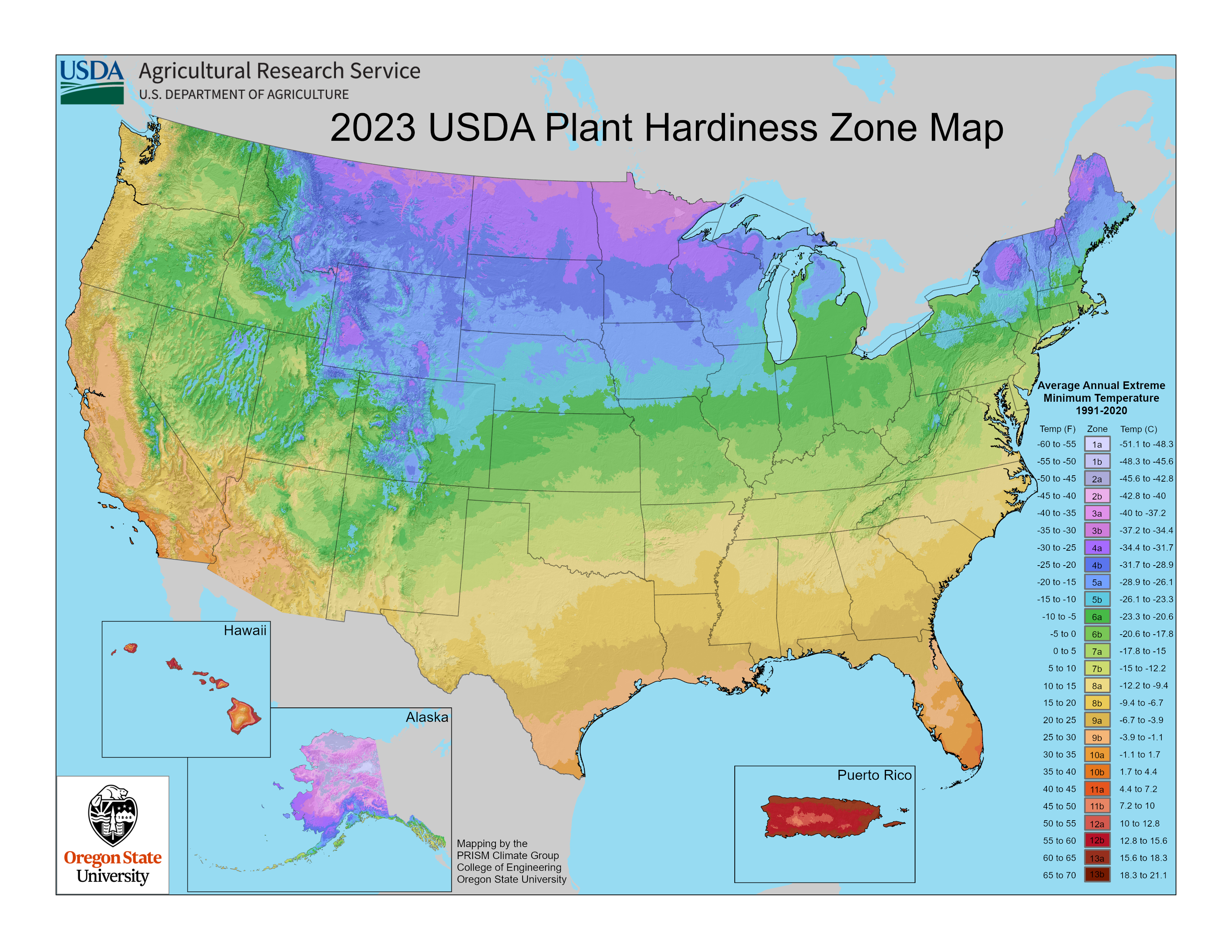
Zone optimized care Choose your USDA zone General conifer guidance. Set your USDA zone to tune watering, sun, soil, pruning, and winter notes to your climate.
Conifers include pines, spruces, firs, cedars, junipers, arborvitae, false cypress, hemlock, yew, and many dwarf selections. Care varies by genus, but most need excellent drainage, steady establishment water, proper spacing, and pruning that respects how conifers grow.
General conifer guidance
Many landscape conifers perform in USDA Zones 3-8, but hardiness and heat tolerance vary widely. Always follow the specific cultivar's range because a dwarf spruce, Japanese cedar, yew, pine, and arborvitae do not want identical conditions.
Colder than this guide's listed range
Use species proven hardy to your winter lows and protect containers from root freezing. Marginal conifers often show winter burn or tip dieback.
Cold-edge care: Zone 3
Cold-edge care focuses on winter wind protection, fall watering, mulch, and choosing hardy cultivars for snow load and root survival.
Core-range care: Zones 4-6
This range suits many conifers. Provide full sun for most types, well-drained soil, mulch, and steady water while establishing.
Warm-edge care: Zone 7
Warm-edge sites require heat-tolerant species, airflow, and deep watering during drought. Avoid cool-climate spruces and firs in hot lowland sites.
Heat-edge care: Zone 8
Zone 8 is too warm for many northern conifers but suitable for selected pines, cedars, junipers, cryptomeria, yews, and other heat-adapted types.
Warmer than this guide's listed range
Many temperate conifers decline in hot, humid, low-chill climates. Use locally proven heat-tolerant evergreens instead of forcing cold-climate types.
Care essentials
Watering
Water conifers deeply during establishment and during dry spells. Evergreen needles continue losing moisture during winter, so fall watering is especially important in dry climates.
Set your zone to tune watering for winter burn, summer drought, and establishment speed.
In very cold zones, water well before freeze-up if fall is dry and protect container roots from hard freezes.
In Zone 3, fall watering and mulch reduce winter burn, especially on young arborvitae, spruce, pine, and dwarf conifers.
In Zones 4-6, water weekly during the first season when rain is lacking; established plants need help in drought.
In Zone 7, deep water during hot dry spells and watch cool-climate conifers for stress.
In Zone 8, use heat-adapted conifers and irrigate new plants deeply while roots establish.
If needles brown every summer despite watering, the species may not tolerate the heat or humidity.
- Water at the soil level, soaking the root zone slowly.
- Do not keep roots constantly wet; most conifers require oxygen and drainage.
- Mulch 2 to 3 inches, keeping mulch away from trunks and crowns.
- Containers dry quickly in summer and freeze faster in winter.
Soil
Most conifers need well-drained soil. Some tolerate sand, clay, alkaline soil, or drought, but few tolerate saturated roots unless specifically adapted to wet conditions.
Match the conifer to your soil. Drainage failure is a common cause of root rot and needle browning.
Cold wet soil increases root injury and winter decline.
In Zone 3, raised planting or slopes help where heavy soil stays wet into winter.
In Zones 4-6, average well-drained soil works for many conifers.
In Zone 7, organic mulch moderates soil temperature and moisture without burying the crown.
In Zone 8, avoid compacted hot sites for cool-climate species; choose junipers, pines, cedars, or other adapted types.
Soil amendments will not make a northern spruce or fir suitable for extreme heat.
- Plant with the root flare at grade and never bury the crown.
- Correct circling roots before planting container-grown conifers.
- Do not create a rich wet planting pocket in heavy clay.
- Use sharp drainage for dwarf conifers in rock gardens and containers.
Sunlight
Most conifers need full sun to stay dense, colorful, and compact. Some, including yew and hemlock, tolerate more shade, while blue and gold forms often need good light for best color.
Match light to genus. Pine, spruce, juniper, arborvitae, cedar, and many dwarf conifers usually need sun; yew and hemlock accept shade.
Cold-zone broad winter sun can burn marginal evergreens when roots are frozen.
In Zone 3, full sun is fine for hardy types, but protect young plants from winter wind.
In Zones 4-6, full sun is best for most conifers and improves density.
In Zone 7, afternoon shade may help cool-climate dwarf conifers in hot summer regions.
In Zone 8, avoid full reflected heat for species not proven heat tolerant.
Shade may reduce scorch but often creates thin growth; choose heat-adapted evergreens instead.
- Dense shade causes open, sparse growth on sun-loving conifers.
- Gold forms can brown in too much hot sun but turn greenish in too much shade.
- Blue spruce and many firs dislike hot humid lowland sites.
- Good airflow helps reduce needle diseases and mites.
Fertilization
Conifers usually need little fertilizer. Excess nitrogen can force soft growth, reduce natural form, and increase winter or drought injury.
Fertilize lightly in spring only if growth is weak or soil testing suggests need.
Do not fertilize late in cold zones; late growth is vulnerable to winter burn.
In Zone 3, feed only after growth begins in spring if needed.
In Zones 4-6, mulch and soil health are often enough.
In Zone 7, avoid feeding during summer stress.
In Zone 8, fertilizer cannot make cool-climate conifers heat tolerant.
Do not push growth on conifers outside their climate range.
- Use slow-release balanced fertilizer sparingly if needed.
- Keep fertilizer away from trunks and crowns.
- Needle yellowing can be caused by wet roots, drought, mites, pH, or transplant stress.
- Dwarf conifers need especially light feeding to preserve compact growth.
Pruning and maintenance
Prune conifers according to how they grow. Many do not regenerate from old bare wood, so severe cutting can leave permanent holes.
Know the plant before cutting. Pine candles, arborvitae sprays, juniper tips, yew branches, and spruce leaders all require different pruning strategies.
Wait until spring to evaluate winter burn before pruning marginal conifers.
In Zone 3, avoid late-season pruning that exposes tender growth before winter.
In Zones 4-6, light spring or early summer pruning is safest for most conifers.
In Zone 7, avoid heavy pruning during drought or heat waves.
In Zone 8, prune lightly and preserve foliage that shades stems and roots.
Heat-stressed conifers should only be pruned for dead, damaged, or hazardous growth.
- Do not cut most junipers, arborvitae, spruce, fir, or pine back into leafless old wood.
- Pines are often controlled by shortening candles in spring, not by shearing old branches.
- Yews tolerate heavier pruning than many conifers and can regrow from older wood.
- Remove dead branches, crossed leaders, and broken limbs with clean cuts.
Winter and frost protection
Winter burn is common on evergreens when wind and sun dry needles while roots are frozen. Fall watering, mulch, and protected siting reduce damage.
Zone-specific winter care appears after your USDA zone is selected.
Use hardy selections or protect containers in an unheated shelter. Marginal conifers may burn or die back.
In Zone 3, water before freeze-up, mulch roots, and use burlap wind screens for exposed young evergreens.
In Zones 4-6, winter burn is worst after dry fall weather, wind, or reflected sun.
In Zone 7, sudden cold after warm spells can damage tender late growth.
In Zone 8, winter care is minor for adapted conifers; summer heat and root rot are larger risks.
Winter is not the limiting factor; heat and humidity are.
- Tie upright arborvitae or columnar conifers loosely where heavy snow or ice splits stems.
- Brush heavy snow upward gently; do not beat frozen branches.
- Protect from deer browsing where pressure is high, especially arborvitae and yew.
- Wait until mid-spring to prune winter-burned foliage so new growth can reveal live tissue.
Specific tips
Container and dwarf conifers
Dwarf conifers are excellent in containers and small gardens, but roots need drainage, temperature protection, and careful water checks.
Use a well-drained potting mix and a container with drainage holes.
In cold zones, protect containers because roots may be one to two zones less hardy above ground.
In Zone 3, move pots to an unheated sheltered area or insulate them for winter.
In Zones 4-6, container conifers still need winter moisture checks during mild dry periods.
In Zone 7, protect pots from afternoon heat and root baking.
In Zone 8, choose heat-tolerant dwarf conifers and use larger pots to buffer roots.
Root heat often limits container conifers in very warm climates.
- Do not let pots sit in saucers of water.
- Repot before the root system becomes a tight dry mass.
- Use light feeding to preserve dwarf habit.
- Rotate containers if one side receives strong reflected sun.
Choosing the right conifer
Conifer success is mostly selection. Match mature size, heat tolerance, moisture needs, and deer pressure before planting.
- Pines and junipers often handle drought better than firs or hemlocks.
- Spruces and firs usually prefer cooler climates and good airflow.
- Yews tolerate shade but dislike wet feet and are browsed by deer in many areas.
- Arborvitae screens need water during establishment and protection from deer where browsing is severe.
Common issues and troubleshooting
Winter burn and needle browning
Browning on exposed sides often comes from winter wind, sun, frozen roots, or dry fall weather.
- Water before freeze-up during dry autumns.
- Use wind screens for exposed young plants.
- Wait until spring growth begins before pruning damage.
Root rot and wet feet
Wilting, browning, and thinning despite wet soil often indicate drainage failure or root rot.
- Improve drainage or relocate to a raised site.
- Avoid daily irrigation in heavy soil.
- Choose wet-tolerant species only for damp sites.
Bagworms, mites, deer, and needle disease
Conifer pests vary by genus and region, but stressed plants are more vulnerable.
- Inspect for bagworms and remove bags early where practical.
- Watch for spider mites during hot dry weather.
- Choose deer-resistant options or protect vulnerable plants with fencing or repellents.


