



Hydrangea Care Guide
Hydrangea care fundamentals for strong stems, correct pruning, flower color, and reliable bloom.
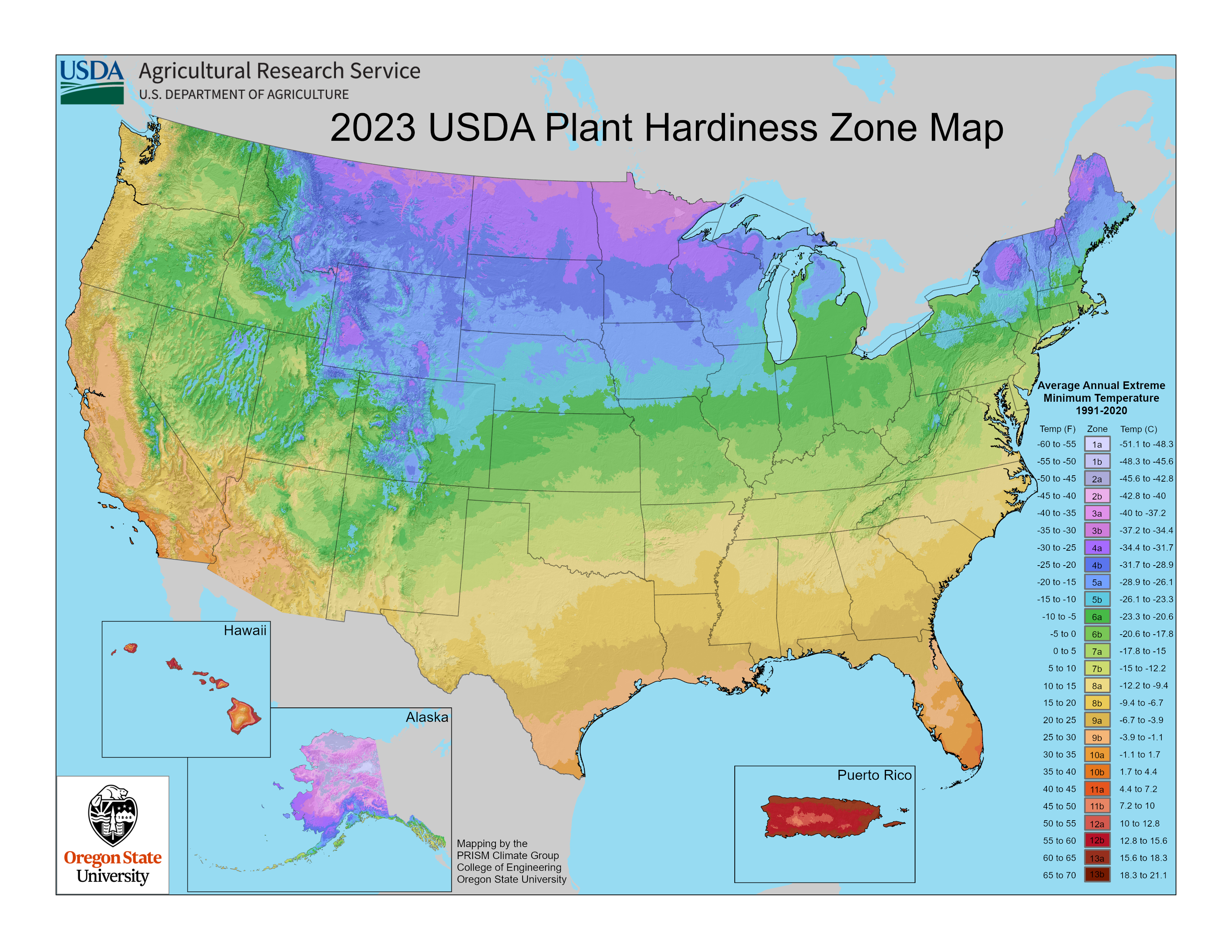
Zone optimized care Choose your USDA zone General hydrangea guidance. Set your USDA zone to tune watering, sun, soil, pruning, and winter notes to your climate.
Hydrangeas are a diverse group of shrubs and vines, and care depends heavily on species. Smooth and panicle hydrangeas bloom on new wood, while many bigleaf, mountain, and oakleaf hydrangeas bloom mostly on old wood. Correct pruning and zone-appropriate selection are the keys to reliable flowers.
General hydrangea guidance
Hydrangeas as a group cover USDA Zones 3-9, but individual species differ. Panicle and smooth hydrangeas are generally the hardiest; bigleaf and oakleaf hydrangeas need more winter bud protection in cold zones and more shade in hot zones.
Colder than this guide's listed range
Choose panicle or smooth hydrangeas for the coldest gardens. Bigleaf, oakleaf, and many old-wood bloomers may lose flower buds in winter.
Cold-edge care: Zone 3
Cold-edge care focuses on hardy species, winter bud protection for old-wood bloomers, and spring pruning only after live buds are visible.
Core-range care: Zones 4-7
This range supports many hydrangea types. Provide moist well-drained soil, morning sun or filtered light, and species-specific pruning.
Warm-edge care: Zone 8
Warm-edge hydrangeas need afternoon shade, deep watering, and mulch. Bigleaf and oakleaf types often perform better with heat protection than all-day sun.
Heat-edge care: Zone 9
In Zone 9, choose heat-tolerant cultivars, protect from afternoon sun, and water consistently during bloom. Panicle types may need extra shade inland.
Warmer than this guide's listed range
Most temperate hydrangeas struggle in extreme heat without shade and irrigation. Use locally recommended hydrangea species or alternatives.
Care essentials
Watering
Hydrangeas need consistent moisture, especially during active growth, bud development, and bloom. Wilting in afternoon heat is common, but repeated drought stress reduces flowers and burns leaves.
Set your zone to tune watering for cold establishment, summer heat, and bloom support.
In very cold zones, water before freeze-up if fall is dry, then avoid wet frozen crowns.
In Zone 3, panicle and smooth hydrangeas need steady water during summer but little winter moisture once frozen.
In Zones 4-7, water weekly during dry periods; bigleaf hydrangeas need closer monitoring during bloom.
In Zone 8, hydrangeas may need deep watering several times per week during heat depending on soil and exposure.
In Zone 9, morning water and afternoon shade are often necessary to prevent repeated wilt and scorch.
If plants collapse daily despite water and shade, the site may be too hot for that hydrangea type.
- Keep soil evenly moist, not constantly soggy.
- Mulch 2 to 3 inches while keeping mulch away from stems.
- Container hydrangeas dry quickly and may need daily checks in summer.
- Wilting that recovers at night can be heat response; wilting that stays overnight means water stress or root trouble.
Soil
Hydrangeas prefer moist, well-drained soil with organic matter. Bigleaf and mountain hydrangea flower color can shift with soil chemistry: acidic soils tend blue, while alkaline soils tend pink.
Good drainage matters for every hydrangea. Flower color chemistry mainly applies to bigleaf and mountain hydrangeas, not white panicle or smooth types.
Cold wet soil can damage crowns and roots, especially for marginal bigleaf types.
In Zone 3, hardy panicle and smooth hydrangeas tolerate cold, but still need well-drained soil.
In Zones 4-7, compost-amended soil and mulch support strong growth and bloom.
In Zone 8, organic soil helps hold moisture during heat.
In Zone 9, avoid dry sandy sites and compacted heat-trap beds.
Use containers or heavily amended shaded beds only for hydrangeas proven to handle the climate.
- Plant at the same depth the shrub grew in the pot.
- Avoid soggy sites that cause root rot.
- For blue bigleaf hydrangeas, acidic soil and available aluminum are needed; do not guess without testing.
- For pink bigleaf hydrangeas, less acidic soil favors pink, but plant health comes before color.
Sunlight
Most hydrangeas prefer morning sun with afternoon shade, especially in warm zones. Panicle hydrangeas tolerate the most sun; bigleaf, mountain, and oakleaf hydrangeas appreciate more shade in heat.
Match sun exposure to species and zone. More sun increases bloom only if water and heat are managed.
Cold-zone hydrangeas can use more sun because heat stress is lower.
In Zone 3, panicle hydrangeas often perform best in full sun; smooth hydrangeas handle sun to part shade.
In Zones 4-7, morning sun with afternoon shade is reliable for many types.
In Zone 8, afternoon shade is important for bigleaf, mountain, and oakleaf hydrangeas.
In Zone 9, use filtered light or morning sun only for heat-sensitive types.
Bright shade may prevent scorch, but bloom may drop if light is too low.
- Panicle hydrangeas need more sun for strong stems and flower production.
- Bigleaf hydrangeas scorch quickly in hot afternoon sun.
- Oakleaf hydrangeas tolerate shade but flower best with some direct light.
- Good airflow reduces mildew and leaf spot.
Fertilization
Hydrangeas need moderate fertility, not heavy feeding. Too much nitrogen creates lush leaves with fewer flowers and weaker stems.
Use a balanced slow-release fertilizer in spring if needed, and base pH changes on soil tests.
Do not feed late in cold climates because tender growth may winterkill.
In Zone 3, feed hardy types lightly in spring after growth begins.
In Zones 4-7, spring feeding plus mulch is usually enough.
In Zone 8, avoid fertilizing during heat or drought stress.
In Zone 9, prioritize water and shade; fertilizer during stress can worsen root problems.
Repeated fertilization will not fix heat stress or species mismatch.
- Avoid high-nitrogen lawn fertilizer around hydrangeas.
- Changing bigleaf hydrangea color takes time and should be done gradually.
- Do not apply aluminum sulfate carelessly; soil testing and plant health come first.
- Potted hydrangeas may need light seasonal feeding because nutrients leach out.
Pruning and maintenance
Pruning depends on hydrangea type. Panicle and smooth hydrangeas bloom on new wood and are pruned in late winter or early spring. Bigleaf, mountain, and oakleaf hydrangeas usually bloom on old wood and should be pruned right after flowering only if needed.
Identify your hydrangea before pruning. Wrong timing is one of the most common causes of no flowers.
For old-wood bloomers in cold zones, wait until buds show life in spring before removing canes.
In Zone 3, panicle and smooth hydrangeas are easiest because they flower on new growth after winter.
In Zones 4-7, prune new-wood types before spring growth and old-wood types soon after bloom.
In Zone 8, avoid heavy summer pruning that exposes stems and removes developing buds.
In Zone 9, prune lightly after bloom for old-wood types and avoid severe cuts during heat.
Heat-stressed hydrangeas should be pruned only to remove dead or damaged growth.
- Smooth hydrangeas can be cut back in late winter, though leaving some framework can improve stem strength.
- Panicle hydrangeas can be shaped in late winter or early spring before new growth.
- Bigleaf and oakleaf hydrangeas should not be cut hard in spring unless you accept losing blooms.
- Remove dead wood any time once it is clearly dead.
Winter and frost protection
Winter affects hydrangeas differently by type. New-wood bloomers can regrow and flower after winter dieback, while old-wood bloomers may lose flower buds even if the plant survives.
Zone-specific winter care appears after your USDA zone is selected.
Choose panicle or smooth hydrangeas for reliable bloom in very cold zones.
In Zone 3, protect marginal old-wood bloomers with mulch and leaf-filled cages, but expect variable bloom.
In Zones 4-7, winter protection may help bigleaf and oakleaf hydrangeas preserve buds in exposed sites.
In Zone 8, winter protection is minor; late freezes after warm spells can damage new growth.
In Zone 9, winter is rarely limiting; summer heat and water are the main issues.
Winter bud survival is not the issue; heat and humidity tolerance are.
- Do not prune old-wood hydrangeas hard in fall.
- Mulch roots before winter after soil cools in cold regions.
- Wait until spring to determine which canes are alive.
- Cover tender new growth briefly during late frosts if practical.
Specific tips
Identify before pruning
The pruning rule changes by hydrangea type, so identification prevents accidental bloom loss.
New-wood bloomers are easier in cold zones; old-wood bloomers need bud protection.
Use panicle or smooth hydrangeas if reliable flowering matters in very cold gardens.
In Zone 3, panicle hydrangeas are often the most dependable choice.
In Zones 4-7, most hydrangea groups can work if pruning is correct.
In Zone 8, bigleaf and oakleaf types need shade and water, but pruning after bloom remains important.
In Zone 9, heat-tolerant bigleaf, oakleaf, and panicle selections vary by microclimate.
Ask local growers which hydrangeas actually bloom through your heat.
- Panicle hydrangea: cone-shaped blooms, new wood, late winter pruning.
- Smooth hydrangea: round or lacecap blooms on new wood, late winter pruning.
- Bigleaf and mountain hydrangea: many bloom on old wood; prune after flowering.
- Oakleaf hydrangea: oak-shaped leaves, old wood, prune after flowering.
Flower color basics
Blue or pink color changes mainly apply to bigleaf and mountain hydrangeas. White hydrangeas generally do not turn blue from soil amendments.
- Acidic soil below about pH 5.5 tends to support blue color when aluminum is available.
- Alkaline soil above about pH 6.5 tends to support pink color.
- Purple tones can occur between those ranges or on mixed soils.
- Do not sacrifice root health for flower color; drainage and moisture matter more.
Common issues and troubleshooting
No flowers
The usual causes are wrong pruning time, winter bud kill, too much shade, excess nitrogen, or young plants.
- Identify whether the plant blooms on old or new wood.
- Avoid spring pruning of old-wood bloomers.
- Use hardy new-wood bloomers in cold zones.
Wilting and leaf scorch
Hydrangeas wilt from heat, drought, root damage, or too much sun. Repeated wilt weakens bloom and foliage.
- Water deeply in the morning.
- Add mulch and afternoon shade in warm zones.
- Check for root rot if wilting occurs in wet soil.
Leaf spot, mildew, and weak stems
Crowding, overhead watering, shade, and excess nitrogen can lead to foliar disease and floppy stems.
- Improve airflow and water at soil level.
- Avoid overfertilizing.
- Prune according to type to keep a strong framework.


