



Red Bud Care Guide
Redbud care for strong spring bloom, healthy heart-shaped foliage, and long-term vigor.
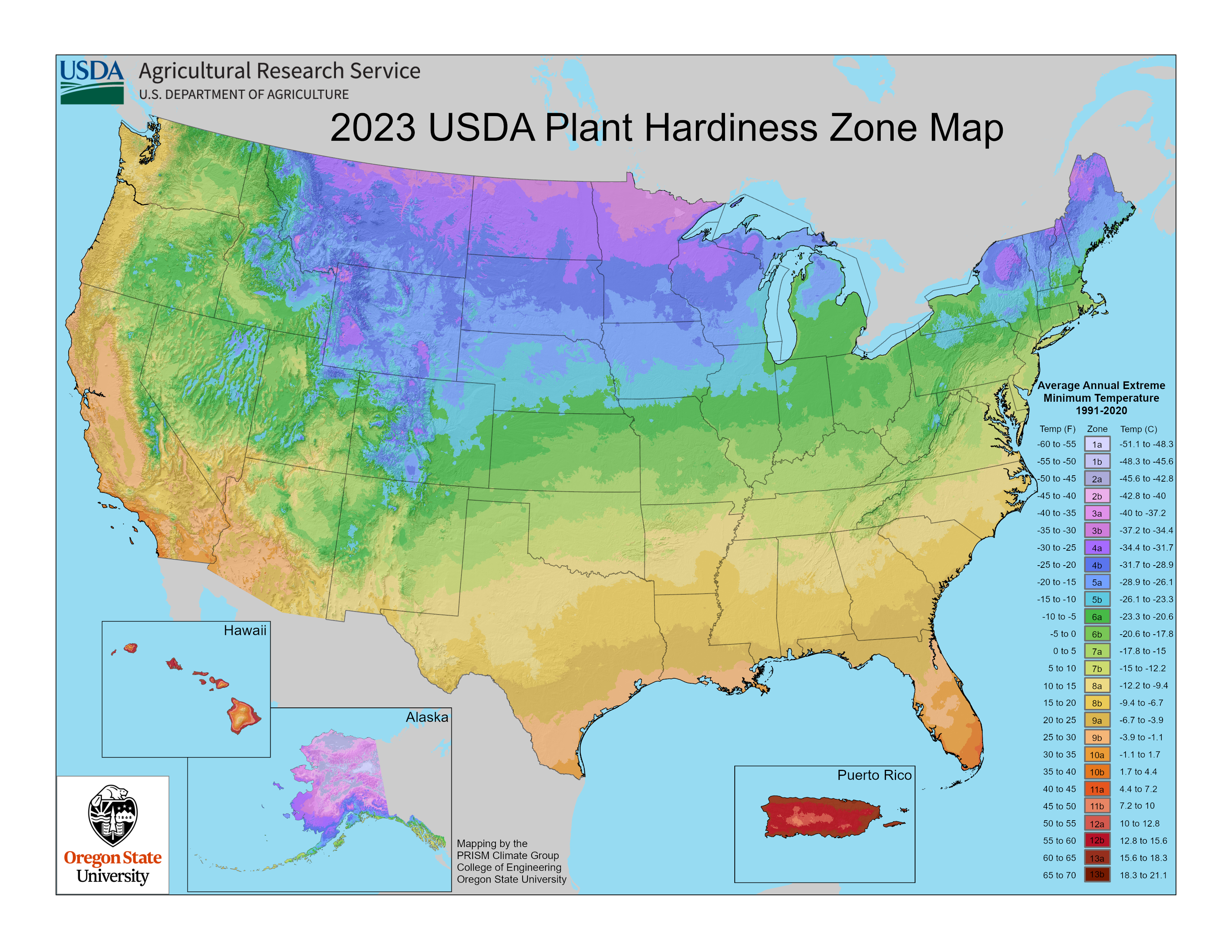
Zone optimized care Choose your USDA zone General redbud guidance. Set your USDA zone to tune watering, sun, soil, pruning, and winter notes to your climate.
Redbuds are small ornamental trees valued for early spring flowers, heart-shaped foliage, and pollinator value. They establish best when planted young, watered consistently, and protected from drought, wet soil, and major root disturbance.
General redbud guidance
Most eastern redbud selections perform in USDA Zones 4-9. Regional forms and cultivars vary, so match the exact selection to your winter lows and summer heat.
Colder than this guide's listed range
In-ground planting is risky below the listed range. Choose a cultivar specifically rated for colder climates or grow in a protected container while young.
Cold-edge care: Zone 4
Cold-edge redbuds need a sheltered site, spring planting, and mulch to protect the young root system from winter swings.
Core-range care: Zones 5-7
This is the most dependable range. Full sun to part shade works well, with afternoon shade improving foliage quality in hot, dry summers.
Warm-edge care: Zone 8
Warm-edge redbuds need relief from drought and reflected heat. Afternoon shade helps purple and gold foliage cultivars hold quality.
Heat-edge care: Zone 9
Heat-edge success depends on cultivar and irrigation. Use drought-tolerant regional selections where summers are hot and humid or hot and dry.
Warmer than this guide's listed range
Most redbuds struggle with sustained high heat and drought outside the listed range. Use a heat-proven regional selection or a different flowering tree.
Care essentials
Watering
Water deeply during establishment and during dry spells. Redbuds tolerate some soil variation, but they do not handle drought stress well while young.
Set your zone for redbud watering timing.
Cold containers should be kept barely moist in winter, not dry and not waterlogged.
In Zone 4, water well before winter if autumn is dry; young roots are more vulnerable than mature wood.
In Zones 5-7, water weekly during establishment when rain is lacking, then mainly during summer drought.
In Zone 8, water deeply during hot dry stretches to reduce leaf scorch and early leaf drop.
In Zone 9, new redbuds may need twice-weekly deep watering in summer until established, especially in full sun.
Extra water cannot fully solve heat stress if the cultivar is not adapted. Prioritize shade and a proven regional selection.
- Deep water at the drip line rather than spraying foliage.
- Mulch 2 to 3 inches to conserve moisture and reduce mower injury near the trunk.
- Avoid soggy or compacted soil; wet roots increase disease pressure.
- Newly planted redbuds may wilt in afternoon heat even when recovering overnight; consistent moisture helps them establish.
Soil
Redbuds are adaptable to clay, loam, or sandy soil when drainage is adequate. Moderately fertile soil is enough; overly rich or wet soil can encourage weak growth and disease.
Good drainage and minimal root disturbance matter more than heavy amending.
In very cold areas, sharp drainage reduces root loss during freeze-thaw cycles.
In Zone 4, plant high enough that the root flare remains visible and mulch after planting.
In Zones 5-7, redbuds usually establish well in native soil if the site is not compacted or waterlogged.
In Zone 8, organic mulch improves soil temperature and moisture stability.
In Zone 9, avoid dry sandy banks unless irrigation is available; heat plus drought shortens plant life.
Use soil improvement only to solve drainage and moisture issues; it will not overcome an unsuitable climate.
- Plant in a wide, shallow hole and keep the root collar at grade.
- Do not break up the root ball aggressively; redbuds dislike root disturbance.
- Avoid planting where downspouts, irrigation runoff, or compacted turf keep soil wet.
- Use compost as a light backfill amendment only when native soil is poor.
Sunlight
Redbuds flower best with good light but naturally grow as understory trees. Full sun increases bloom density; part shade reduces heat stress in warm climates.
Choose exposure by climate: more sun in cool zones, more afternoon shade in hot zones.
Cold areas benefit from sun and wind protection, but avoid frost pockets that damage buds.
In Zone 4, use full sun to light shade and shelter from harsh winter wind.
In Zones 5-7, full sun to part shade is usually ideal; part shade gives the best foliage quality in hot summers.
In Zone 8, morning sun with afternoon shade is safest for variegated, gold, or purple-leaf cultivars.
In Zone 9, give morning sun or high filtered shade; avoid reflected heat from pavement and walls.
Bright shade is safer than full sun, but long-term performance may still be poor.
- Full sun creates the heaviest flowering where summer moisture is dependable.
- Purple-leaf forms can scorch or fade under intense afternoon sun.
- Avoid windy exposed corners, which increase drought stress and branch breakage.
- Understory placement works well if the canopy is open enough for spring bloom.
Fertilization
Redbuds rarely need heavy fertilizer. If growth is weak after establishment, feed lightly in spring with a balanced slow-release product or compost topdressing.
Feed only when growth or soil conditions indicate a need.
Avoid late feeding because soft growth is vulnerable to winter damage.
In Zone 4, fertilize lightly after spring growth begins and stop by early summer.
In Zones 5-7, compost and mulch often provide enough nutrition after establishment.
In Zone 8, avoid fertilizing during drought or heat stress.
In Zone 9, fertilizer will not fix drought wilt or heat scorch; solve water and shade first.
Do not push growth in an unsuitable climate. Excess nitrogen increases stress and pest issues.
- Avoid high-nitrogen lawn fertilizer near the root zone.
- If soil is very poor, topdress with compost rather than heavily amending the planting hole.
- Yellowing can come from root stress, drought, or high pH - diagnose before feeding.
- New trees do not need fertilizer at planting if the soil is reasonably fertile.
Pruning and maintenance
Prune lightly to develop strong branch structure and remove dead, crossing, or damaged wood. Redbuds can have brittle branch angles, so early structure matters.
Prune after flowering or during dormancy, keeping cuts limited and purposeful.
Wait until spring to confirm dieback before making major cuts.
In Zone 4, avoid late-summer pruning that can trigger tender growth before winter.
In Zones 5-7, remove narrow crotches early and keep a balanced canopy.
In Zone 8, do not over-thin; foliage helps shade branches and reduce sunscald.
In Zone 9, prune only what is needed and avoid major summer pruning during heat.
Limit pruning to safety and health until the plant proves vigorous.
- Remove dead branches promptly; canker and dieback are easier to manage early.
- Avoid large flush cuts; leave the branch collar intact.
- Train young trees away from weak V-shaped crotches.
- Disinfect tools when pruning diseased or cankered wood.
Winter and frost protection
Winter care focuses on preventing root stress, trunk injury, and late frost damage to flower buds.
Zone-specific winter notes appear after your USDA zone is set.
Protect container roots in an unheated space and avoid exposing pots to extreme freeze-thaw cycles.
In Zone 4, mulch young trees and protect trunks from deer, rabbits, sunscald, and winter wind.
In Zones 5-7, established redbuds need little winter protection, but young trees benefit from mulch and trunk protection.
In Zone 8, watch for early bloom followed by late frost; flowers may be damaged even when the tree is hardy.
In Zone 9, winter injury is less common, but sudden cold after warm spells can damage buds and new leaves.
Winter cold is not the main issue; summer survival and bloom reliability are the limiting factors.
- Water during dry autumns before the ground freezes.
- Use hardware cloth or trunk guards where rabbits or deer browse young bark.
- Keep mulch away from the trunk flare to reduce rot and rodent damage.
- Late frost may reduce bloom for one year but usually does not harm the tree permanently.
Specific tips
Container and transplant notes
Redbuds are best planted young and left in place. They are not ideal long-term container trees unless the cultivar is compact and the pot is large.
Minimize root disturbance whenever moving or planting redbuds.
Container growing below range requires root protection through winter.
In Zone 4, spring planting is safer than late fall planting.
In Zones 5-7, plant in spring or fall and water consistently through establishment.
In Zone 8, fall planting can work well if irrigation is dependable.
In Zone 9, plant in fall or very early spring so roots establish before summer heat.
Container culture is possible only with shade, careful irrigation, and heat-tolerant selections.
- Do not repeatedly shift or disturb established redbuds.
- Use a broad mulch ring instead of turf competition at the base.
- Stake only if needed, and remove ties once the tree is stable.
- Compact cultivars such as weeping or dwarf forms are better choices for small spaces.
Variety selection
Choose the redbud type for your region, mature size, and foliage color.
- Eastern redbud is broadly adapted across much of the eastern United States.
- Texas and Mexican forms often handle heat, sun, and drought better than standard eastern forms.
- Purple, gold, and variegated cultivars need more protection from hot afternoon sun.
- Weeping forms need early training if you want height before cascading growth.
Common issues and troubleshooting
Leaf scorch and early leaf drop
Scorch usually comes from drought, heat, transplant stress, wind, or reflected sun.
- Water deeply and mulch the root zone before adding fertilizer.
- Give afternoon shade to gold, purple, or variegated cultivars in warm zones.
- Avoid planting in narrow hot strips surrounded by pavement.
Canker and dieback
Stressed redbuds may develop branch dieback or cankers, especially after drought or injury.
- Prune infected wood back to healthy tissue during dry weather.
- Sanitize tools between cuts when disease is suspected.
- Reduce stress with proper watering, mulch, and protection from mower damage.
Pests and wilt problems
Borers, leafhoppers, scale, webworms, and verticillium wilt may occur on weakened trees.
- Keep trees vigorous; pests usually hit stressed plants first.
- Inspect trunks and branch collars for borer entry or cracking.
- Avoid replanting redbud in soil where serious verticillium wilt has been confirmed.


