



 Bold foliage
Start with color
Red Japanese Maples
For bright spring reds, burgundy summer tones, and high-contrast focal points. The most searched foliage color in the catalog.
Shop red maplesGuided maple finder
More than 1,200 Japanese maple cultivars, organized by foliage color, habit, size, use, zone, and fall color. Choose the one thing you already know.
How to use it
Open the tab that matches your garden decision first. Size covers miniature, dwarf, medium, and large paths. Zone and color cards point to current storefront collections.
Pick a match
Start with the foliage color you want to see most in your garden — red, green, or variegated through the growing season.
Bold foliage
Start with color
For bright spring reds, burgundy summer tones, and high-contrast focal points. The most searched foliage color in the catalog.
Shop red maples Classic garden tone
Start with color
Fresh green structure that layers beautifully into woodland and shade gardens. Strong fall color — most turn orange-red or golden yellow.
Shop green maples Patterned leaves
Start with color
Cream, pink, and multitone foliage for collectors and bright container displays. Unique among deciduous trees for three-season interest.
Shop variegated maplesPick a match
Upright, weeping, or dwarf and compact — choose the shape that fits your space.
 273 varieties — largest group
Choose the form
The biggest single habit group in the catalog. Stronger vertical structure for entry gardens, borders, and statement planting.
Shop upright maples 159 varieties
Choose the form
Soft, arching habits that spill over walls, slopes, and container edges. Laceleaf and dissectum types dominate this group.
Shop weeping maples Rounded and compact forms
Choose the form
Dense, slower-growing Japanese maples for courtyards, patios, and tight garden beds where compact scale matters most.
Shop compact maplesPick a match
Dwarf tops out around 3 feet in 10 years. Medium is 6–7 feet. Large can reach 25 feet and beyond.
Small-space favorite
Choose the size
Dwarf-scale Japanese maples with compact growth and small-space manners — ideal for courtyards, patios, fairy gardens, and tight garden beds where scale matters most.
Shop dwarf maples Miniature scale
Choose the size
Ultra-compact Japanese maples for patios, fairy gardens, troughs, and tight beds where the smallest mature scale matters most.
Shop miniature maples 644 varieties — widest selection
Choose the size
644 varieties averaging 7 feet at 10 years. More than half the catalog is medium scale — the most versatile range for layered landscapes, focal points, and mixed borders.
Shop medium maples Statement tree
Choose the size
198 selections that can reach 25 feet or more at maturity. For shade, structure, and a lasting presence in larger gardens — classic atropurpureum, palmatum, and large dissectum types.
Shop large maplesPick a match
Go straight to the maple role you need — containers, bonsai, shade, fairy gardens, or winter interest.
Shop by use
Selections that stay elegant in pots and add texture to porches and terraces. Mostly dwarf and compact habits.
Shop container maples Collected look
Shop by use
Fine branching, strong seasonal character, and shapes that suit bonsai styling. Small-leaf types with good internode density.
Shop bonsai maples Whimsical scale
Shop by use
Petite, charming options that bring storybook scale to smaller garden moments. The slowest-growing dwarfs in the collection.
Shop fairy garden maplesShop by use
Great choices for filtered light, woodland settings, and cooler afternoon exposures. Green and variegated types handle shade best.
Shop shade maples Bark and structure
Shop by use
Highlights for bark color, branch architecture, and off-season garden presence. Coral and red-bark types are standouts.
Shop winter interestPick a match
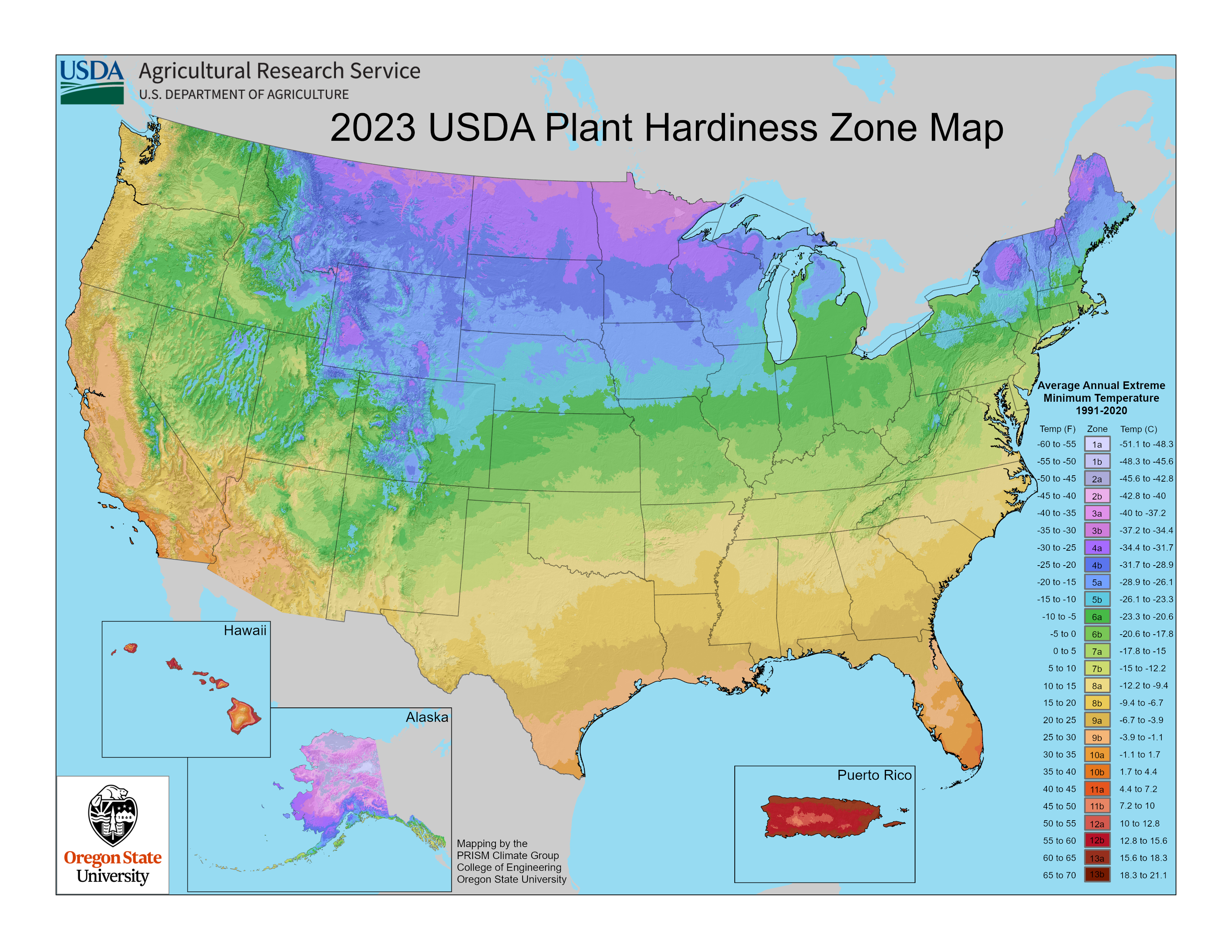
Start with the zone finder, then use the direct zone 4, 5, 6, or 7+ paths when you already know your hardiness target.
Shop by zone
Start with the hardiness-zone collection when cold tolerance is the first decision, then narrow to the zone that fits your garden.
Open zone finder
Direct zone 4 path
Shop by zone
A direct Japanese maple path for products currently tagged for zone 4 hardiness.
Open zone 4 Catalog sweet spot
Shop by zone
The main hardiness starting point in the maple catalog, with a dedicated collection for cold-climate Japanese maple shoppers.
Open zone 5 Warmer-winter filter
Shop by zone
A dedicated hardiness collection for zone 6 gardeners who want a maple-first product path.
Open zone 6 Warm-climate picks
Shop by zone
A dedicated zone 7 maple collection for gardeners working with warmer winters.
Open zone 7Pick a match
Use red or orange for dedicated fall-color collections. Use gold/yellow when you want the current golden foliage collection.
 Dedicated fall-color path
Shop by fall color
The largest fall-color group. Deep scarlet, crimson, and burgundy tones — often the same trees that hold red foliage through summer too.
Shop red fall maples Warm autumn tones
Shop by fall color
Fiery orange, orange-red, and orange-scarlet tones — the second-most common fall color in the catalog. Primarily green-leaved maples that transform in autumn.
Shop orange fall maples Golden foliage
Shop by color
Golden and yellow foliage maples for bright spring-to-fall color, including selections with warm amber or gold seasonal display.
Shop gold maples Full maple catalog
Shop by fall color
Open the full Japanese maple collection when you want to compare fall color, foliage color, habit, and size filters together.
Browse all maplesGuided conifer finder
More than 650 conifers organized by tree type, habit, size, zone, and foliage color. 86 blue or silver forms, 96 gold, 94 variegated — or browse all 338 green varieties.
How to use it
Start with tree type if you know pine from spruce. Use foliage color if blue or gold is the draw. Use size or habit when the spot drives the choice.
Pick a match
Pine, spruce, false cypress, cedar, arborvitae, and specialty forms — choose the family first.
 Full conifer path
Choose the tree type
Browse the live conifer collection across spruce, cedar, arborvitae, dwarf forms, upright forms, weeping forms, and specialty evergreen textures.
Browse conifers Cold-hardy spruce path
Choose the tree type
Coldest-hardy conifers on the site. The bulk of the spruce catalog starts at zone 2 and zone 3 — ideal for northern gardens.
Shop spruces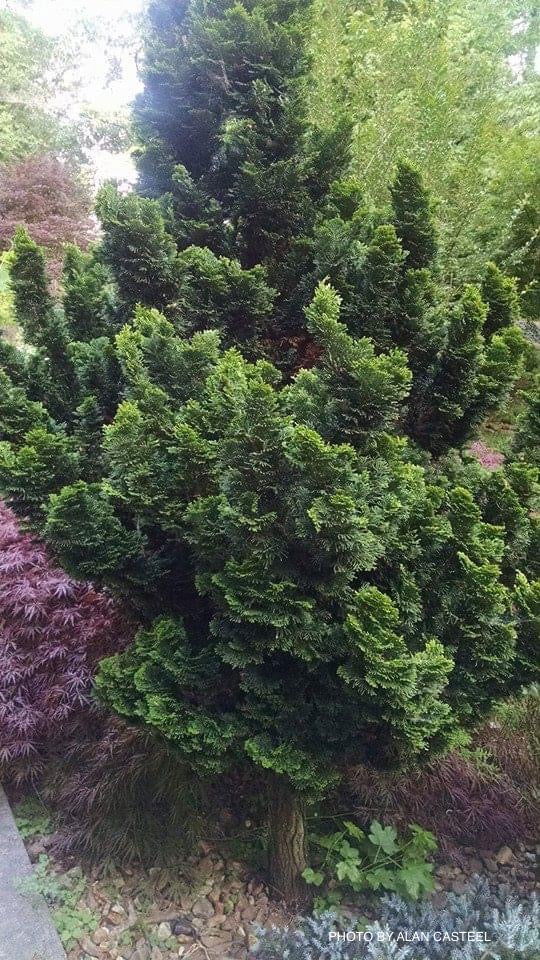 Hinoki and soft textures
Choose the tree type
Chamaecyparis and Hinoki-style conifers with thread-leaf, feathery, or pendulous foliage. Use the full conifer collection for current availability.
Browse conifers 48 varieties
Choose the tree type
True Cedrus with a sweeping, architectural habit. Weeping blues, upright silhouettes, and bold branching for warmer zones.
Shop cedars 45 varieties
Choose the tree type
Thuja in every scale — tight globes, columnar privacy screens, and compact dwarf mounds. Tough, adaptable, widely zone-hardy.
Shop arborvitae Fir, juniper, hemlock + more
Choose the tree type
Dawn Redwood, Japanese Umbrella Pine, Japanese Cedar, Juniper, Hemlock, Yew — rarer forms and unique collector-grade textures.
Browse specialty conifersPick a match
Pyramidal, compact, or weeping — the shape of the tree is often the easiest decision.
 Classic evergreen silhouette
Choose the form
The largest habit group — strong vertical lines for screens, specimen planting, and bold landscape anchors.
Shop upright conifers Garden-scaled structure
Choose the form
Dense, globe-shaped, and mounding forms that fill borders without outgrowing their space — year-round texture at a manageable scale.
Shop compact conifers Cascading drama
Choose the form
55 varieties with a pendulous habit — draped over walls, slopes, and garden edges for a striking sculptural effect.
Shop weeping conifersPick a match
Nearly half the conifer catalog is dwarf scale — median 3 feet at 10 years. Large conifers can reach 55 feet.
 316 dwarf varieties
Choose the size
Nearly half the entire conifer catalog is dwarf scale. Slow-growing, container-friendly, and ideal for rock gardens, troughs, and small beds.
Shop dwarf conifers Garden-scaled forms
Choose the size
Conifers for foundation planting, border edges, containers, and mixed beds where year-round structure matters more than maximum height.
Browse conifers Mid-border anchors
Choose the size
169 selections that hit the sweet spot for most landscape uses — enough presence for a focal point without crowding the garden.
Shop medium conifers Canopy and screening
Choose the size
Tall, stately conifer options for windbreaks, privacy rows, sky-reaching specimens, and long-horizon structure.
Browse conifersPick a match
Use the live zone paths when hardiness is the first decision.
 Cold-climate path
Shop by zone
A cold-climate conifer path for products currently tagged for zone 3 hardiness.
Open zone 3 Cold-hardy path
Shop by zone
A direct path for conifers currently tagged for zone 4 hardiness — useful for northern and Midwest gardens.
Open zone 4 Milder winters
Shop by zone
A direct path for conifers currently tagged for zone 5 hardiness, with warmer-winter options across multiple genera and textures.
Open zone 5Pick a match
Green is the largest group (338), but 86 blue/silver forms, 96 gold, and 94 variegated conifers make foliage color a strong starting point.
 Classic evergreen color
Shop by foliage color
Rich emerald, medium, and dark green conifers across multiple habits and genera. The reliable anchor for most garden designs.
Shop green conifers Blue and silver foliage
Shop by foliage color
Blue-needled and silver-toned conifers for high-contrast accents, cool color, and year-round structure.
Shop blue conifers Gold and yellow foliage
Shop by foliage color
Golden-needled forms — from bright chartreuse to deep butter-yellow. Year-round warmth and strong foliage color contrast.
Shop gold conifers Collector foliage
Shop by foliage color
Cream, white, or multi-tone foliage can show up in collector conifers. Use the full conifer path for current availability.
Browse conifersGuided ginkgo finder
Ornamental ginkgo trees organized by habit, size, and collector forms. Ginkgo is one of the most cold-hardy ornamental tree groups on the site.
How to use it
Choose habit first if you know the shape you want — upright, compact, weeping, or dwarf. Use size if the garden spot drives the decision. Every variety turns golden yellow in fall.
Pick a match
Upright, columnar, weeping, dwarf, and compact forms give ginkgo several distinct silhouettes.
 46 varieties — largest group
Choose the form
The classic ginkgo silhouette — 38 upright and 8 columnar selections. Strong vertical structure for lawn specimens, street planting, and formal garden axes.
Shop upright ginkgo Compact current path
Choose the form
Compact, slow-growing ginkgo forms for smaller gardens and containers without sacrificing the signature fan-shaped leaf.
Shop dwarf ginkgo 11 varieties
Choose the form
11 pendulous selections with cascading branches — a striking departure from the classic ginkgo form. Strong focal-point trees for prominent garden spots.
Shop weeping ginkgo Tiny fan leaves at scale
Choose the form
The smallest forms in the ginkgo catalog — ideal for troughs, rock gardens, and patio containers where you want the ancient leaf shape at a miniature scale.
Shop dwarf ginkgoPick a match
Use the current dwarf, medium, large, and browse-all paths to match the tree to the garden footprint.
 Dwarf current path
Choose the size
Compact, slow-growing selections suited to smaller gardens, troughs, and container gardening.
Shop dwarf ginkgo Medium current path
Choose the size
Mid-scale selections that reach a manageable size for most residential gardens. Strong seasonal presence without eventually outgrowing the space.
Shop medium ginkgo Compare current sizes
Choose the size
Compare current ginkgo sizes in one product path when the garden footprint matters more than a strict size filter.
Browse ginkgo Statement tree
Choose the size
17 large-scale selections for significant landscape presence. Ginkgo is one of the most cold-hardy large trees available — zone 3 hardy and essentially pest-free.
Shop large ginkgoPick a match
Variegated foliage, exceptional fall color, and the full catalog — for gardeners who want something beyond the standard.
 Collector foliage
Collector forms
Rare selections with cream, white, or gold-streaked fan-shaped leaves — among the most unusual foliage plants in the ginkgo catalog.
Shop variegated ginkgo Unmistakable golden yellow
Collector forms
Ginkgo is famous for clear golden-yellow autumn color. Use the main ginkgo collection to compare current trees with strong fall display.
Browse ginkgo Full ginkgo path
Collector forms
Browse the complete live ginkgo collection, one of the most cold-hardy ornamental tree groups on the site.
Browse all ginkgoGuided dogwood finder
Cornus selections — kousa, flowering, and specialty dogwoods organized by type and habit. Dogwoods are strong choices for woodland and filtered-light gardens.
How to use it
Start with tree type if you know whether you want a native flowering dogwood or the later-blooming kousa. Use habit if the shape of the tree is the priority. Nearly every variety offers spring bloom, fall color, and winter interest.
Pick a match
Kousa dogwood blooms later and is more disease-resistant. Flowering dogwood is the classic native with earlier spring bloom.
 Chinese flowering dogwood
Choose the type
Cornus kousa — blooms later than native dogwood, often into June. More disease-resistant with exfoliating bark in winter and red strawberry-like fruit in fall.
Browse dogwoods Native American dogwood
Choose the type
Cornus florida — the classic North American native. Blooms in early spring before the leaves. Strong fall color, red berries, and horizontal branching habit.
Browse dogwoods Full dogwood path
Choose the type
Browse the live Cornus collection across current dogwood species, habits, bloom colors, and garden uses.
Browse all dogwoodPick a match
Upright forms for vertical structure, weeping forms for specimen focal points, and shade-tolerant selections for woodland gardens.
 Vertical structure
Choose the form
Upright and vase-shaped forms for woodland understory planting, specimen positioning, or narrow garden spots where horizontal spread is limited.
Shop upright dogwood Cascading elegance
Choose the form
Pendulous, arching, columnar, and other specialty dogwood forms can make striking focal points for patios, garden edges, and specimen planting.
Browse dogwoods Shade-tolerant path
Choose the form
Dogwoods are strong choices for woodland gardens and filtered-light settings, with a live shade-tolerant path for current products.
Shop shade-tolerant dogwoodGuided camellia finder
Camellia selections with bloom running from fall through early spring — the longest off-season bloom window of any plant family on the site. Nearly every variety is shade tolerant.
How to use it
Start with bloom season if you know the gap you want to fill. Fall-blooming sasanquas are the most unique — they color up when almost nothing else is flowering. Use size or form when the garden spot is the deciding factor.
Pick a match
Sasanqua blooms fall (Oct–Dec), japonica blooms spring (Feb–Apr), and hybrids fill winter (Dec–Feb). Choose the season your garden most needs.
 Oct – Dec bloom
Choose by bloom season
Camellia sasanqua blooms from October into December — among the only flowering shrubs still in color when everything else has gone dormant. Excellent for fall and early winter gardens.
Browse camellias Dec – Feb bloom
Choose by bloom season
Hybrids and specialty selections that carry bloom through the coldest months of the year — filling the longest gap in any garden's flowering calendar.
Browse camellias Feb – Apr bloom
Choose by bloom season
Camellia japonica blooms from late winter into spring — the largest bloom type in the catalog. Classic formal flowers in pink, white, red, and bicolor forms.
Browse camellias Full camellia path
Choose by bloom season
Browse the live camellia collection with bloom season running from fall through early spring. Nearly every selection is shade tolerant.
Browse all camelliaPick a match
Compact, medium, and upright camellias — choose the scale and habit that fits the garden bed, hedge, or specimen location.
 Compact garden shrubs
Choose the size
Compact selections that stay under 6 feet — ideal for foundation planting, containers, and smaller garden beds where camellia's evergreen foliage and off-season bloom are most valuable.
Browse camellias Versatile border shrubs
Choose the size
Mid-scale selections for hedges, woodland edges, and mixed shrub borders. Evergreen throughout the year with bloom that arrives when the rest of the garden is quiet.
Shop medium camellia Upright evergreen form
Choose the form
Upright camellias bring evergreen structure, hedging potential, and off-season bloom to shaded foundation plantings and woodland edges.
Shop upright camellia


